Inconel 718 vs 625 Scrap: Identification and Value Guide
Key Takeaways
- Inconel 718 and Inconel 625 are both valuable nickel-based alloys, but they are engineered for different performance requirements and should not be treated as one scrap grade.
- 718 is associated with high strength and precipitation hardening, while 625 is known for corrosion resistance and its nickel-chromium-molybdenum-niobium chemistry.
- The two grades can look very similar in scrap form. XRF, original records and, where necessary, spark OES or laboratory testing are more reliable than visual inspection.
- Form, heat treatment, contamination, attachments and the ratio of 718 to 625 all affect the commercial value of a lot.
- Sellers should separate known grades, photograph the material, record its origin and provide representative test results before requesting a firm indication.
Inconel 718 and Inconel 625 are two of the most recognisable nickel-based alloy grades in aerospace, power generation, chemical processing and high-temperature industrial equipment. Their scrap often arrives from the same maintenance, machining or decommissioning environments, and the pieces can look nearly identical after service.
That similarity creates a practical grading problem. A lot described only as “Inconel scrap” leaves the buyer to account for uncertainty, mixed chemistry and extra sorting. A lot separated into 718 and 625 streams, supported by component history and representative testing, is easier to value and route to the correct remelt programme.
Why Compare Inconel 718 and 625 Scrap?
Comparing Inconel 718 and 625 matters because the grades have different chemistry, strengthening mechanisms, service applications and scrap-handling decisions. Mixing them can reduce confidence in the lot and make a buyer price the material conservatively until it is tested and sorted.
Both grades are nickel-based superalloys, but the reason they are specified is not identical. Inconel 718 is widely associated with high strength in demanding rotating and structural applications. Inconel 625 is widely selected for corrosion resistance, weldability and performance in aggressive chemical, marine and high-temperature environments.
The scrap distinction therefore affects more than a label. It helps explain where a piece came from, what records may exist, what test method is appropriate and how the material should be presented to a buyer.
What Is the Difference Between Inconel 718 and 625?
Inconel 718 is a nickel-iron-chromium alloy strengthened primarily through precipitation hardening, with niobium, aluminium and titanium contributing to its high-strength performance. Inconel 625 is a nickel-chromium-molybdenum-niobium alloy valued primarily for corrosion resistance and solid-solution strengthening.
The most useful practical differences are:
| Feature | Inconel 718 | Inconel 625 |
|---|---|---|
| Typical design priority | High strength and fatigue performance | Corrosion resistance and versatility |
| Strengthening approach | Precipitation hardened and heat treated | Solid-solution strengthened |
| Common service context | Turbine discs, shafts, fasteners and high-stress rotating parts | Chemical equipment, marine systems, exhaust and corrosion-resistant components |
| Scrap identification | Records, markings, XRF and follow-up testing | Records, markings, XRF and follow-up testing |
| Main sorting risk | Mixed heat-treatment condition or mixed 718-family pieces | Mixed 625 with other nickel-chromium-molybdenum grades |
The table is a sorting guide, not a substitute for the applicable material specification. Variations in product form, heat treatment and service history can affect the evidence available in a scrap lot.
How Are Inconel 718 and 625 Scrap Identified?
Inconel 718 and 625 scrap should be identified through a combination of component history, markings, supplier or mill records, physical inspection and compositional testing. XRF is useful for rapid screening, while spark OES or laboratory analysis may be required when close grades or specification-sensitive material must be separated.
Start with the origin of the material. A turbine disc, fastener, shaft or high-stress rotating component may point toward 718, while chemical-process tubing, marine equipment, exhaust hardware or corrosion-service components may point toward 625. This evidence narrows the possibilities but does not prove the grade.
Look for heat numbers, part markings, purchase records, maintenance documents, mill certificates and material-control records. Keep these records associated with the correct container. A certificate separated from the lot it describes is much less useful than a certificate linked to photographs, piece counts and weights.
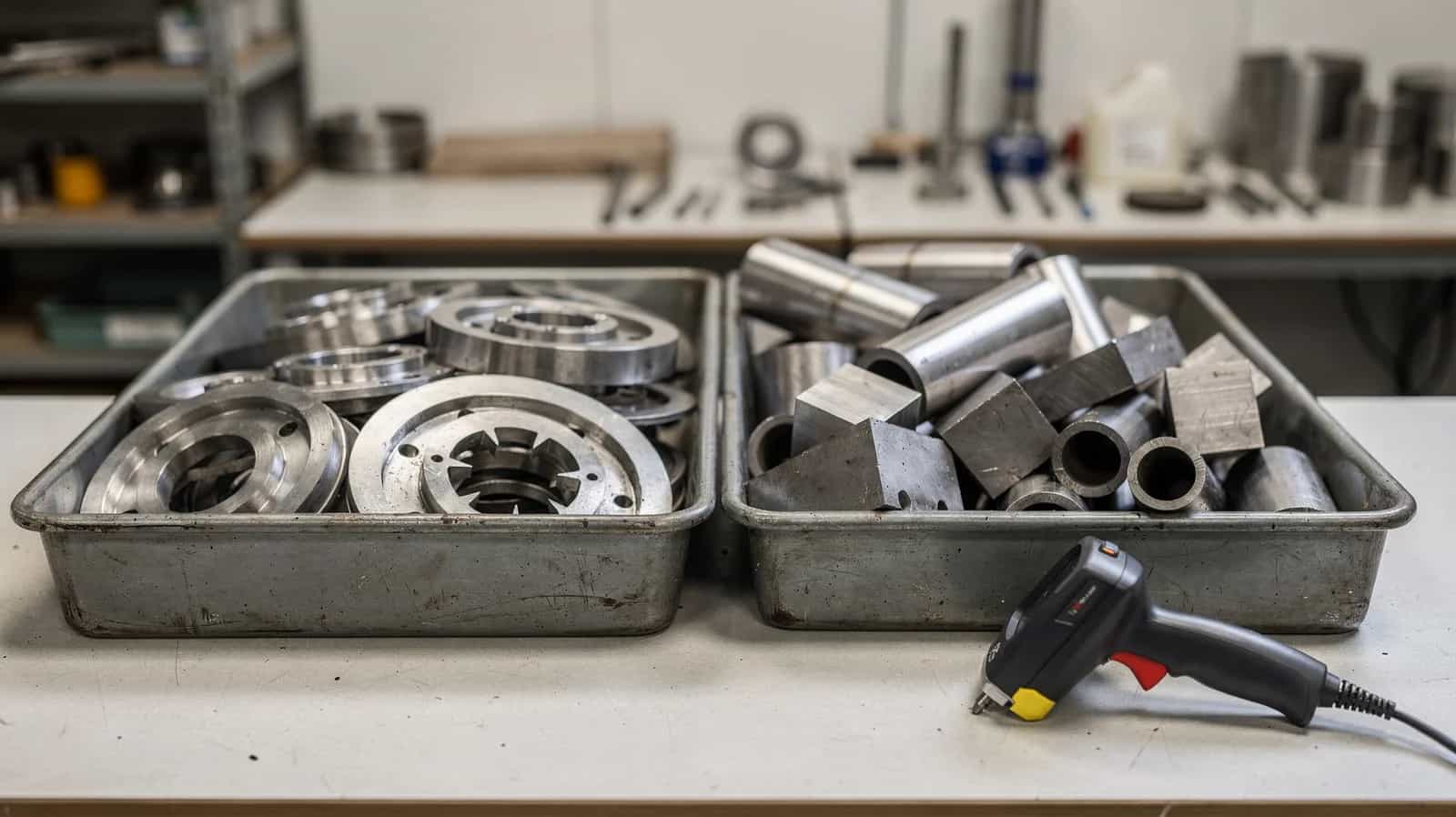
XRF can help distinguish the major alloying elements and quickly identify material that does not belong in an Inconel lot. It is especially useful for screening mixed pieces before a buyer decides whether more detailed testing is needed. Surface condition, curvature, coatings and contamination can affect any reading, so measurements should be taken from representative, prepared surfaces.
When a lot contains close grades, uncertain surface readings or a commercial requirement for tighter chemistry, spark OES or laboratory testing may be appropriate. The goal is not to test blindly. It is to create a defensible sample plan that represents the pieces being offered.
Which Forms of 718 and 625 Scrap Are Valuable?
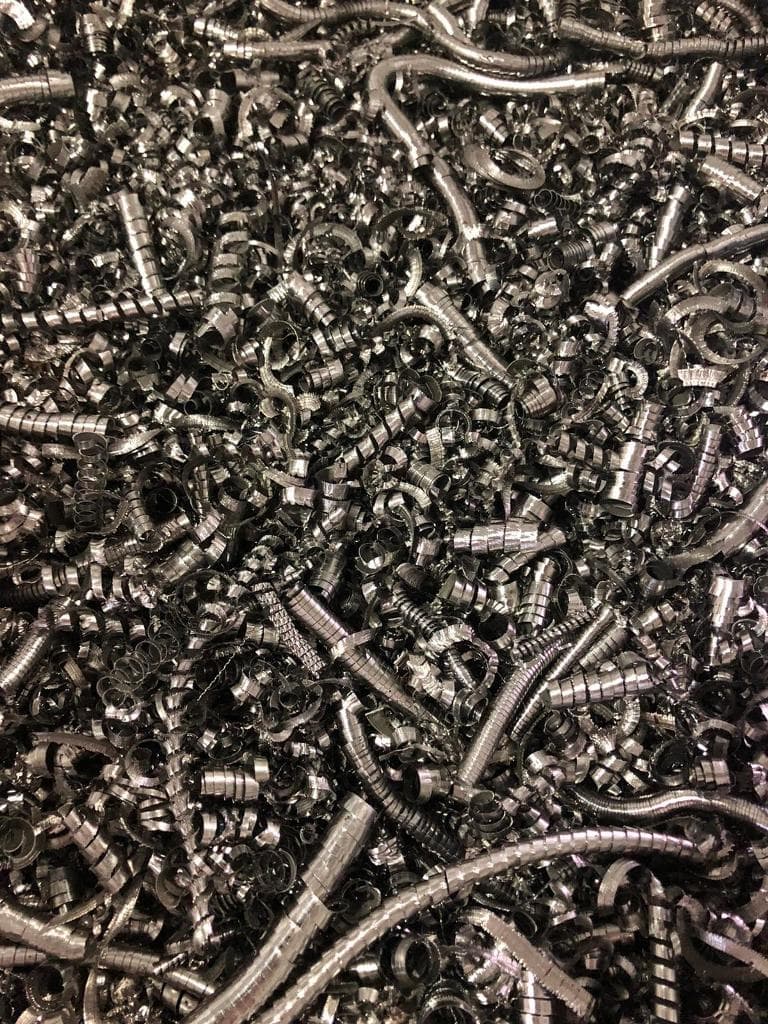
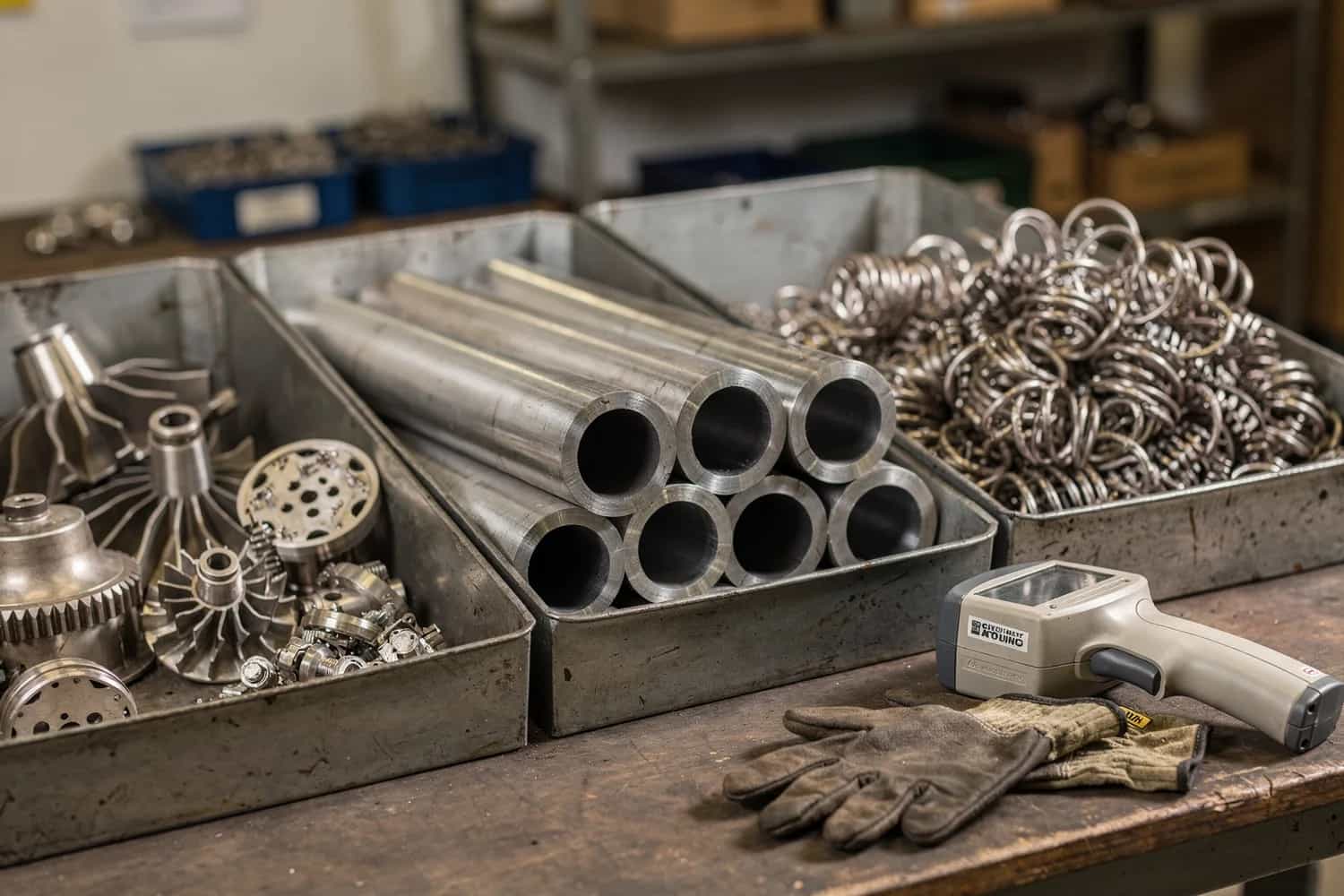
Inconel scrap appears in several forms, and form affects handling, recovery and buyer interest. Clean, identifiable solids are generally easier to inspect than mixed turnings, but turnings can still be valuable when they are kept dry, separated and tied to a known machining operation.
Common forms include:
- Turbine discs, shafts, rings, fasteners and other 718 components
- Pipe, tube, plate and fabricated corrosion-service parts associated with 625
- Machining turnings and chips from aerospace or industrial production
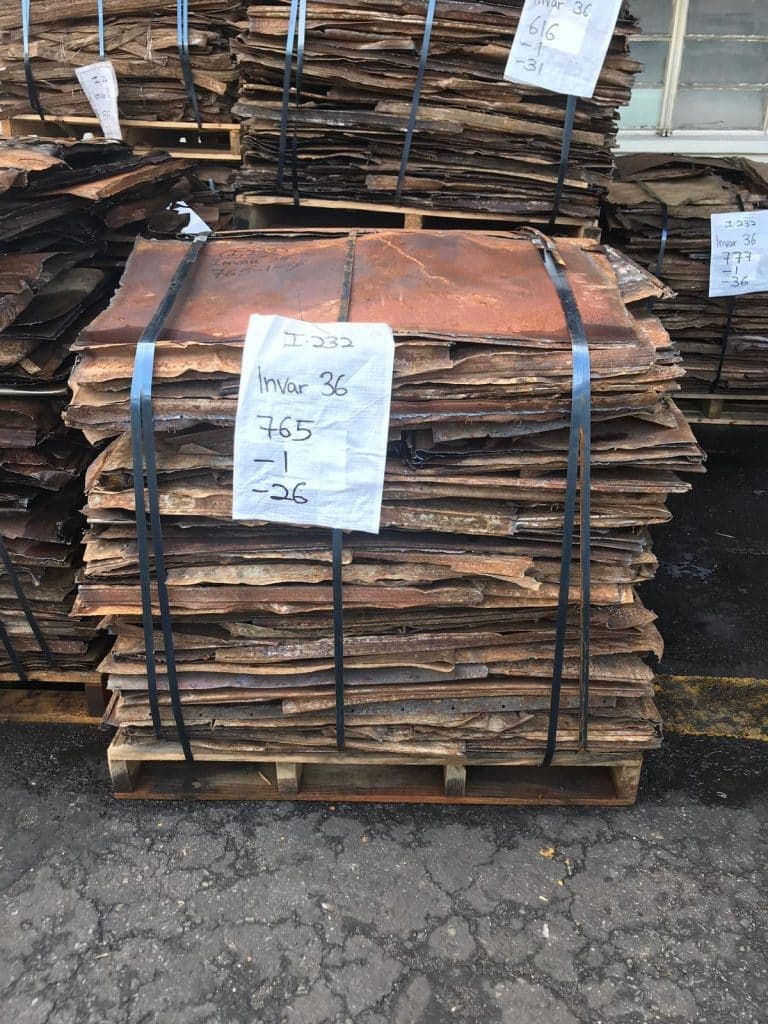
- Forgings, bar ends, sheet offcuts and clean production rejects
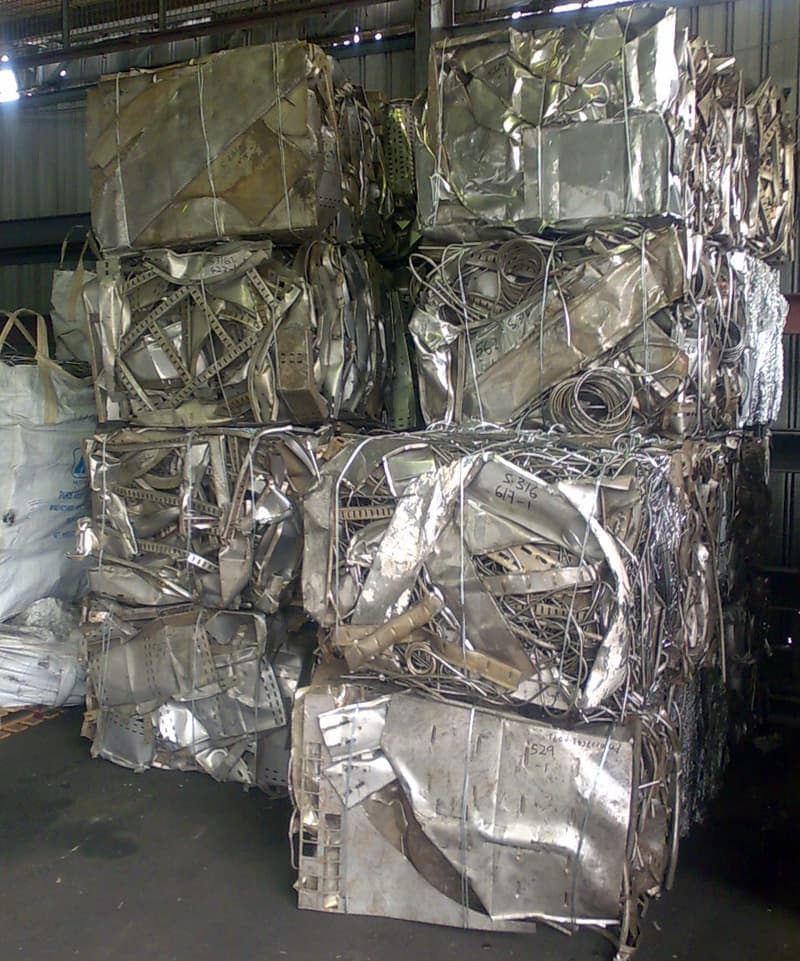
- Mixed maintenance components requiring sorting and representative testing
Attachments can change the lot description. Steel bolts, brazing material, coatings, insulation, carbon steel fixtures and other foreign pieces should be photographed and described rather than hidden in a general weight. A buyer needs to understand both the alloy and the amount of material that is not part of the alloy.
How Is Inconel 718 vs 625 Scrap Valued?
The value of Inconel 718 versus 625 scrap depends on verified grade, form, cleanliness, quantity, location, market conditions and the cost of sorting or processing the lot. A flat price per kilogram without a material description is not a reliable comparison between the two grades.
Several factors shape the indication:
- Confirmed grade: A separated 718 or 625 stream is easier to route than a mixed Inconel lot.
- Chemistry evidence: XRF, OES, mill records and traceability reduce uncertainty, but each piece of evidence must relate to the offered material.
- Form: Clean solids, forgings and production offcuts may be handled differently from oily turnings or contaminated assemblies.
- Contamination: Steel attachments, mixed alloys, coatings and non-metallic material reduce recoverable value or increase sorting cost.
- Quantity and location: A small local lot and a documented industrial shipment may have very different collection and logistics economics.
- Current market: Nickel, chromium, molybdenum, niobium and other alloying inputs influence downstream buying decisions, but no article should present a live price without a dated, verified quote.
In practical terms, a seller improves the commercial result by making the lot easier to understand. The difference between a labelled, separated, documented stream and an unidentified mixed container can be more important than a small difference in gross weight.
How Should Sellers Prepare the Lot?
Before requesting an indication, separate known 718 and 625 material wherever the evidence supports that separation. Do not assign a grade solely from colour, magnet response or a familiar component shape. Mark the containers with the source and suspected grade, then keep uncertain pieces in a separate “to be tested” group.
Prepare a short lot brief with:
- Suspected grade and the reason for that identification
- Component or equipment origin
- Approximate gross and net weight
- Form: solids, turnings, forgings, plate, pipe or mixed pieces
- Photographs of the overall lot and representative pieces
- Markings, heat numbers and available certificates
- XRF, OES or laboratory results, including sample locations
- Contamination, attachments, oils and packaging details
- Collection location and expected availability date
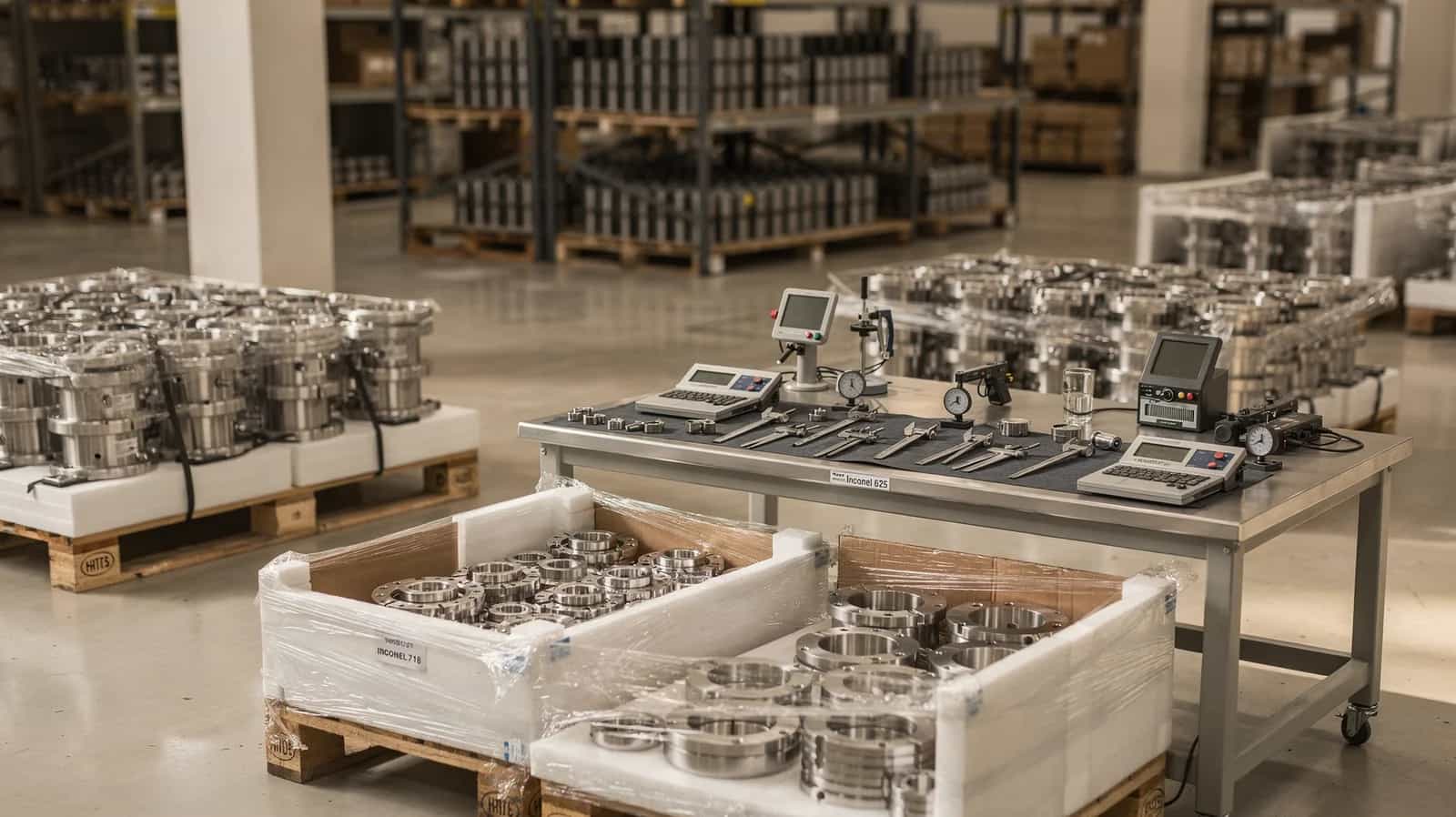
The same discipline helps a buyer decide whether an inspection should be remote, carried out at the seller’s site or completed at a processing facility. It also reduces the chance that a 718/625 mixture is priced as an unknown nickel alloy simply because the original records were not carried with the material.
Frequently Asked Questions
What is the scrap value of Inconel 718?
There is no single universal value for Inconel 718 scrap. The indication depends on confirmed chemistry, heat-treatment or component evidence, form, contamination, quantity, location and current market conditions. Clean, separated and documented 718 is easier to value than mixed Inconel material with uncertain origin.
Is Inconel 625 worth more than 718 scrap?
Neither grade should automatically be assumed to be worth more in every lot. 625 and 718 have different chemistry, applications and processing routes, while form and contamination can materially affect the final indication. A buyer should compare like-for-like, verified and similarly prepared lots rather than rely on a general price rule.
Can XRF distinguish Inconel 718 from 625?
XRF can help screen the major elements and identify whether pieces are consistent with a candidate grade, but the reliability of the conclusion depends on surface condition, instrument limits, sample preparation and the grades being compared. Close or specification-sensitive lots may need spark OES, laboratory analysis or supporting records.
Can Inconel 718 and 625 scrap be mixed?
They can be collected in the same project, but mixing reduces grading confidence and may reduce the commercial indication until the material is sorted. Keep identifiable 718 and 625 streams separate. Place uncertain pieces in a separate group and provide the buyer with the available origin and testing evidence.
What information should an Inconel scrap buyer receive first?
Send photographs, approximate weights, component or machining origin, suspected grade, physical form, location, contamination details and any mill, inspection or XRF records. If the material is mixed, describe it honestly. This information lets a buyer decide whether a remote review, site inspection or representative testing is appropriate.
Discuss an Inconel Scrap Lot With ABCOM
ABCOM sources and processes Inconel 718, Inconel 625 and other specialty alloy scrap for industrial, aerospace, power-generation and chemical-service supply chains. Send the suspected grade, photos, quantity and location through the contact page for a technical discussion.
For related material information, see ABCOM’s Inconel 718 and 625 page, superalloy guide, and turbine scrap programme.
This guide is general material information, not a binding price quotation. Final classification and commercial terms depend on inspection, verified chemistry and the agreed lot description.