Key Takeaways
- The GCC generates a steady flow of superalloy scrap from oil & gas maintenance, petrochemical turnarounds, power generation and aviation — but value is only realised when grades are correctly identified.
- Inconel 718/625, Hastelloy C276/C22, Waspaloy and high-nickel streams are the most consistently demanded grades from Gulf sources.
- Mixed or unidentified lots are the single biggest reason GCC sellers receive below-market offers.
- Export grading with XRF verification, clean segregation and proper documentation is what turns Gulf scrap into mill-ready material.
- ABCOM buys superalloy scrap across the GCC with inspection, verification and logistics handled end to end from our Singapore desk and Turkish facility.
Table of Contents
- Superalloy Scrap Grading & Valuation Guide
- Why the GCC Sits on High-Value Scrap
- The Grades That Matter Most in Gulf Scrap Streams
- Where GCC Superalloy Scrap Comes From
- Why Mixed Lots Destroy Value
- How Export Grading Works
- Getting Paid: How Settlement Works
- Working With ABCOM From the Gulf
- Frequently Asked Questions
Selling Superalloy Scrap in the UAE & GCC: A Seller's Guide
The Gulf is one of the world's densest sources of high-value alloy scrap — and one of the least efficiently marketed. Oil and gas maintenance campaigns, petrochemical turnarounds, desalination retubes, power generation overhauls and aviation MRO activity across the UAE, Saudi Arabia, Kuwait and Qatar continuously generate superalloy scrap that ends up priced as "mixed stainless" or worse. Sellers who understand what their material actually is — and how buyers verify it — consistently receive offers 30-50% above the regional default.
This guide covers the grades that matter in Gulf scrap streams, where they come from, why mixing destroys value, and how export grading and settlement actually work when done properly.
Why the GCC Sits on High-Value Scrap
Three structural facts make the Gulf special for alloy scrap.
First, the industrial base. The region's energy and process industries are built around exactly the alloys that carry the highest re-melt value: high-nickel and cobalt-bearing superalloys in turbines, corrosion-resistant nickel alloys in petrochemical service, and titanium in aviation. A single gas turbine overhaul campaign can generate several tonnes of INCO 718, Waspaloy and Rene-grade material in one lot.
Second, the replacement cycle. GCC operators run aggressive preventive maintenance schedules, which means material leaves service in good condition — clean solids rather than burned or contaminated scrap. Form is one of the strongest value drivers.
Third, the export position. With few domestic re-melting options, nearly all specialty alloy scrap leaves the region. That makes grading and documentation before shipment the decisive factor in what a seller ultimately receives.
The Grades That Matter Most in Gulf Scrap Streams
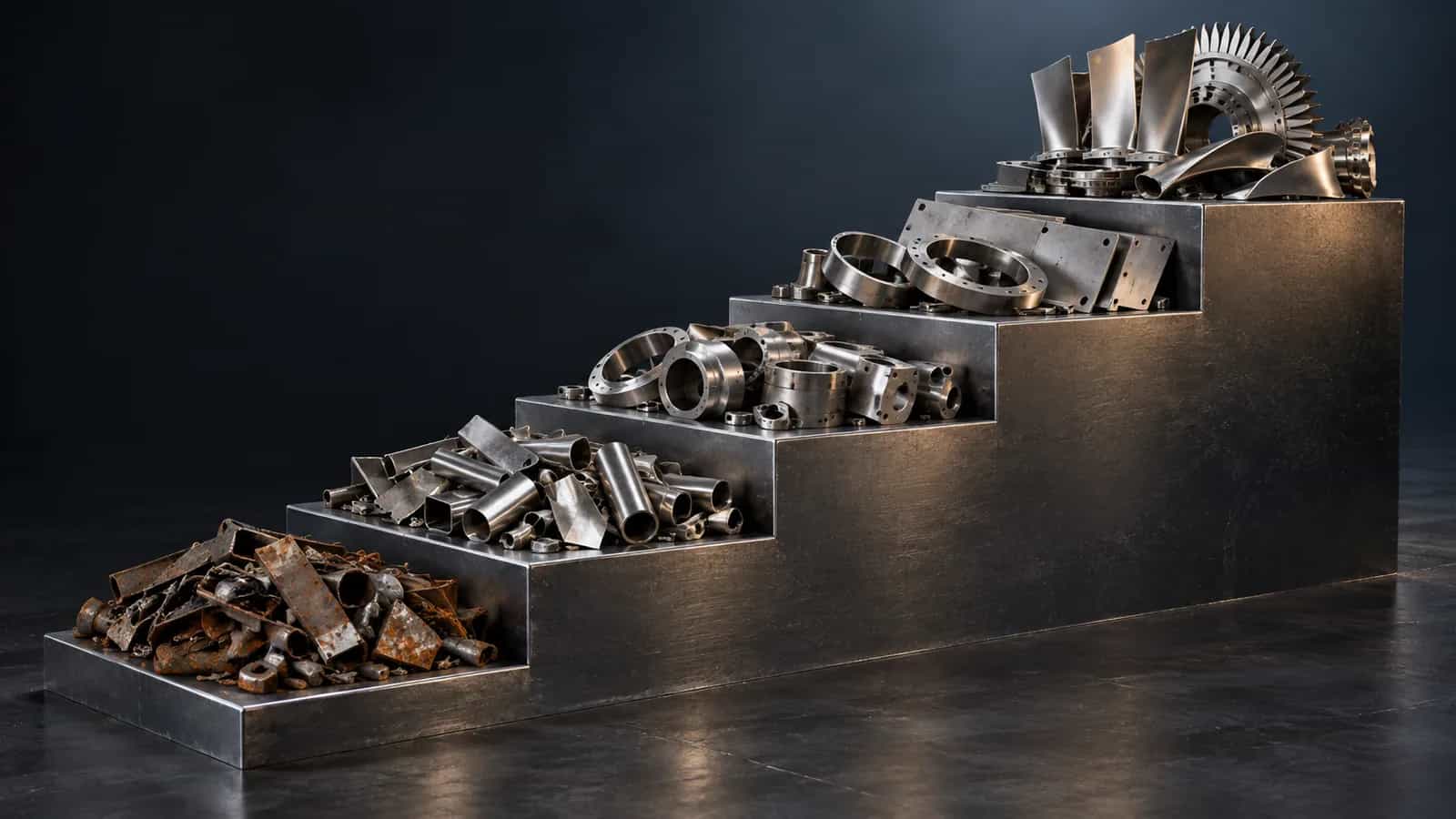
Not all superalloy scrap is equal. From our trading desk, these are the Gulf streams we see most often, roughly in order of value density.
| Grade family | Common sources in the GCC | Why buyers pay for it |
|---|---|---|
| Inconel 718 & 625 | Turbine hardware, oilfield tooling, subsea and valve components | The workhorse nickel superalloys; constant demand from aerospace and industrial melt programmes |
| Waspaloy & Rene grades | Jet engine disks, rings, fasteners; hot-section hardware | Cobalt-bearing grades with strong revert demand from engine makers |
| Hastelloy C276 & C22 | Chemical plant reactors, FGD systems, exchanger bundles | High molybdenum and tungsten content keeps re-melt value consistently high |
| INCO 600/800/825 | Furnace and reformer components, heat treatment fixtures | Reliable nickel-chromium-iron chemistry, straightforward re-melt |
| Monel 400/K500 | Desalination tubing, marine fittings, pump shafts | Nickel-copper demand from desalination and offshore sectors |
| Pure nickel & Nichrome | Plating anodes, resistance wire, furnace elements | Trades close to nickel market levels when verified |
For identification basics grade by grade, see our superalloy scrap grading & valuation guide, and the dedicated pages for Inconel 718 & 625, Hastelloy C276 & C22 and Waspaloy.
Where GCC Superalloy Scrap Comes From
Understanding the source tells you the grade before any testing — and helps sellers present material correctly.
Oil & gas maintenance. Valve and downhole tool components in Inconel 718 and 625, exchanger hardware in Monel and INCO 825, and reformer and furnace parts in INCO 800-series from refinery and gas processing campaigns.
Petrochemical turnarounds. Reactor internals, transfer piping and exchanger bundles in Hastelloy C-family and super duplex. Turnaround scrap is frequently high volume and time-pressured, which pushes sellers toward fast, low offers unless grading is already done.
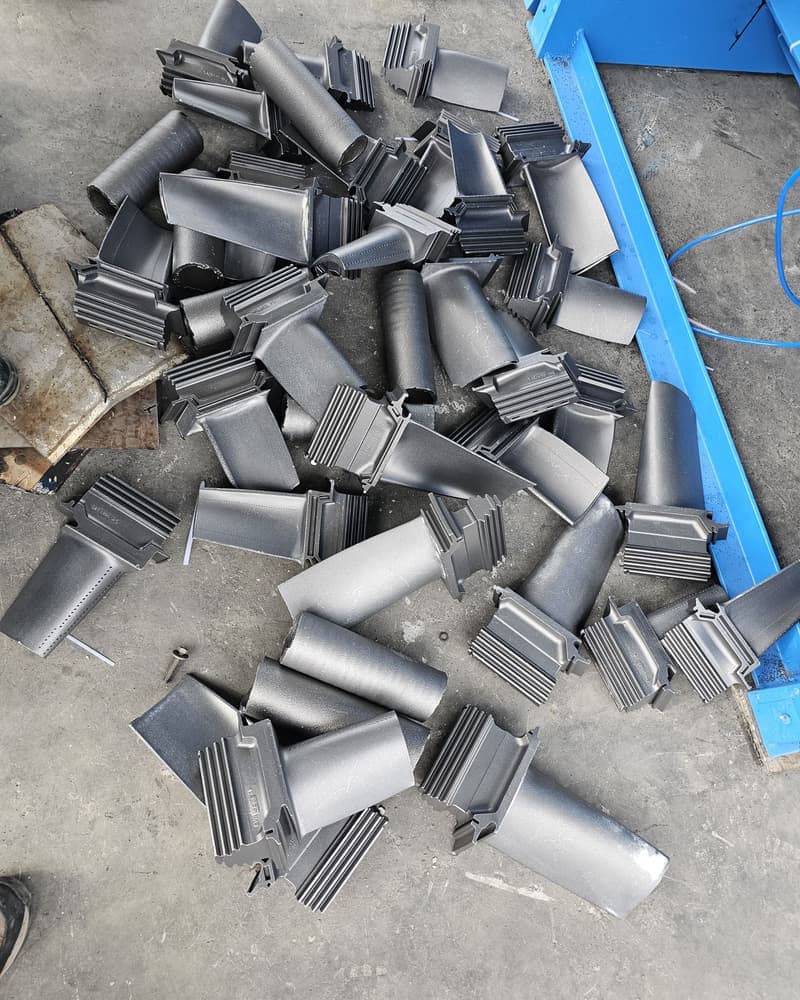
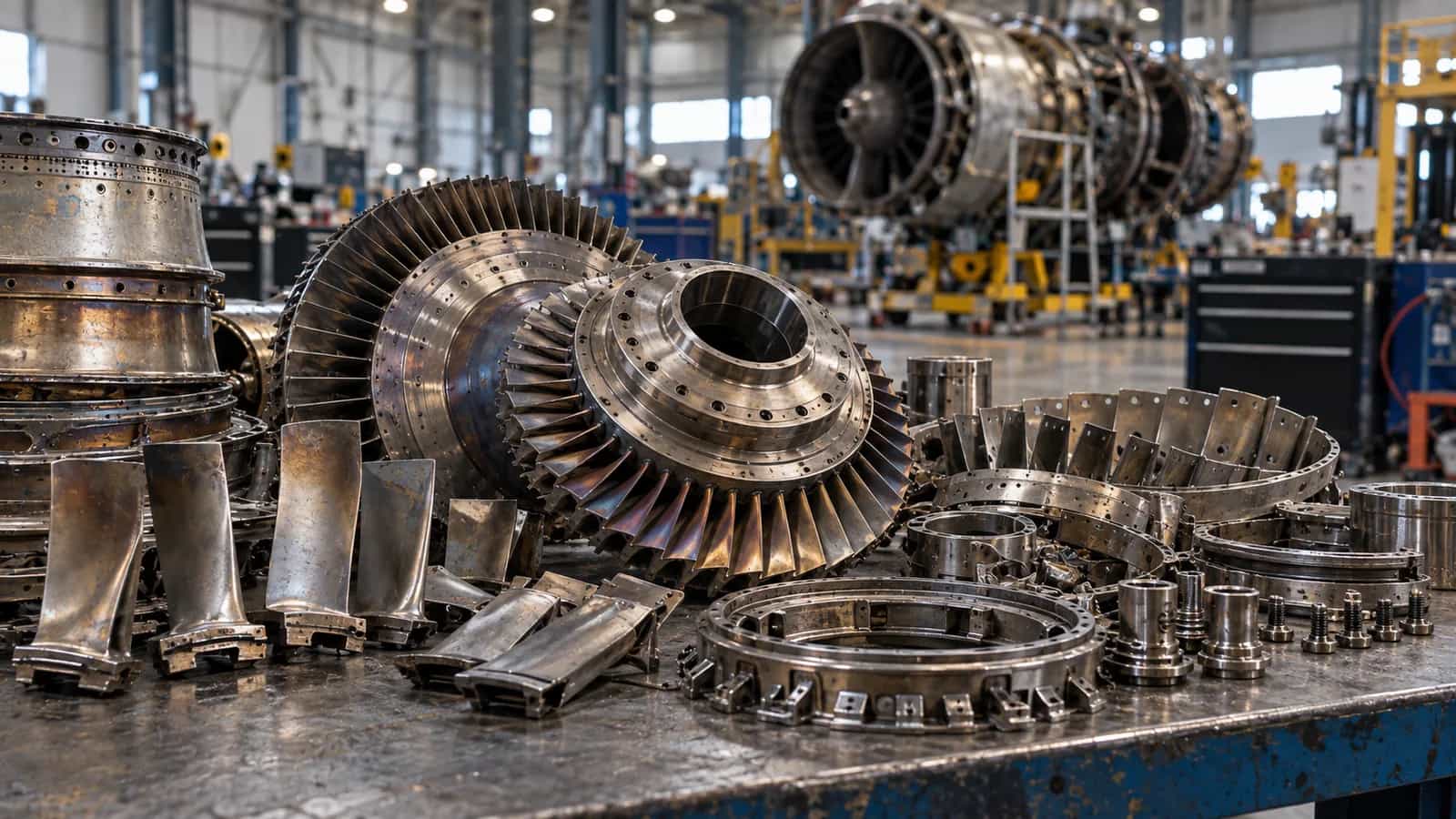
Power generation. Gas turbine rotor and hot-section components — the densest value concentration of any stream, mixing INCO 718, Waspaloy, Rene grades, Hastelloy X and single-crystal blades in a single tear-down.
Aviation MRO. Engine teardown and overhaul scrap across the UAE's aviation hubs, generating Waspaloy fasteners, INCO 718 disks and titanium compressor parts.
Why Mixed Lots Destroy Value
The single most expensive habit in alloy scrap selling is blending "similar-looking" material.
A mixed container of Inconel 718, stainless offcuts and Monel fittings might be 60% high-value alloy — but the buyer prices the whole lot at the worst plausible composition plus a sorting discount. The seller loses the difference twice: once on the mispriced good material, and again on the risk premium the buyer charges for the unknown.
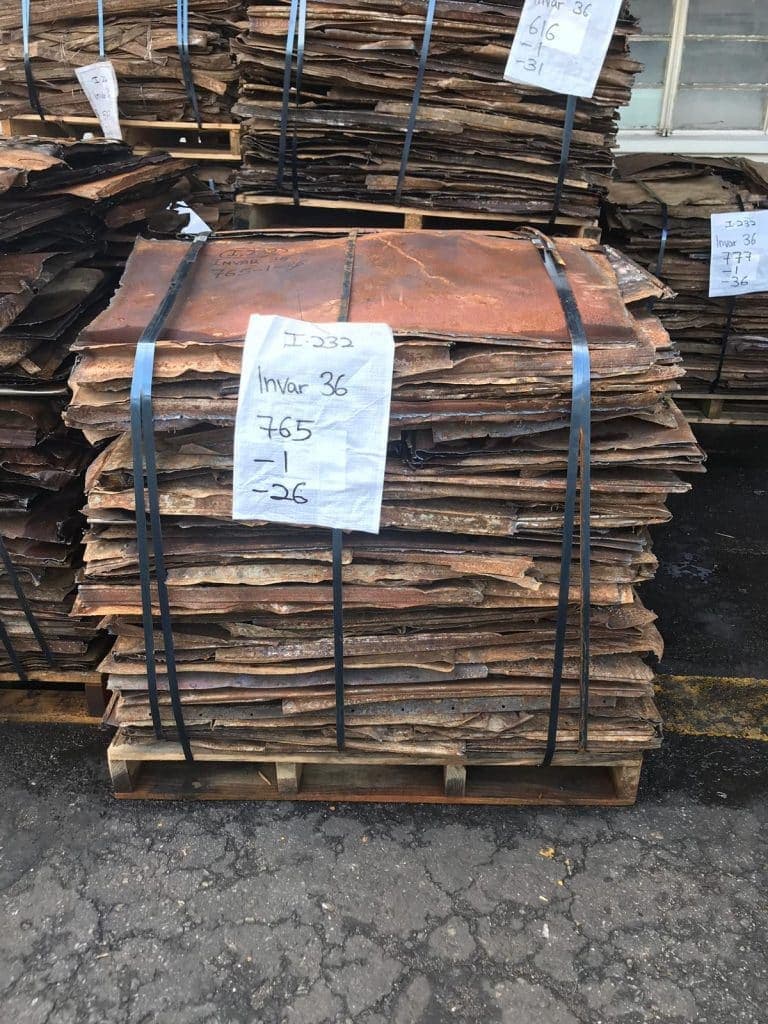
The correction is straightforward: segregate by family at source, keep forms separate (solids vs turnings), and remove carbon steel attachments before sale. Even modest preparation reliably moves a lot up a pricing tier. Our high nickel scrap guide covers the identification traps — Nichrome sold as stainless is the most common one we see from Gulf sources.
How Export Grading Works
Proper export grading follows a documented sequence, and it is what separates mill-ready material from discounted bulk.
- Family separation — nickel-based, cobalt-bearing and iron-based material sorted into distinct lots
- Compositional verification — XRF analysis per lot, with spark OES confirmation where grades are close (718 vs 625, C276 vs C22)
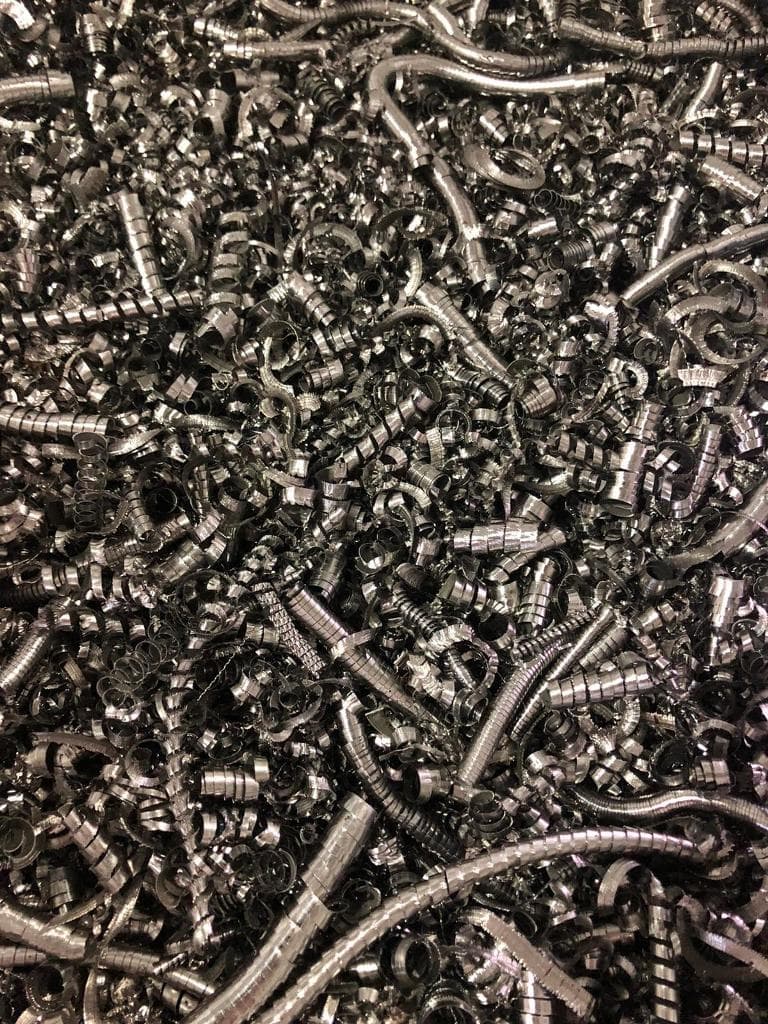
- Form classification — solids, turnings, sheet and tubing graded separately because recovery economics differ
- Contamination check — steel attachments, weld filler and tooling residue identified and removed or documented
- Documentation — composition certificates, photographs and weights per lot, ready for customs and mill acceptance
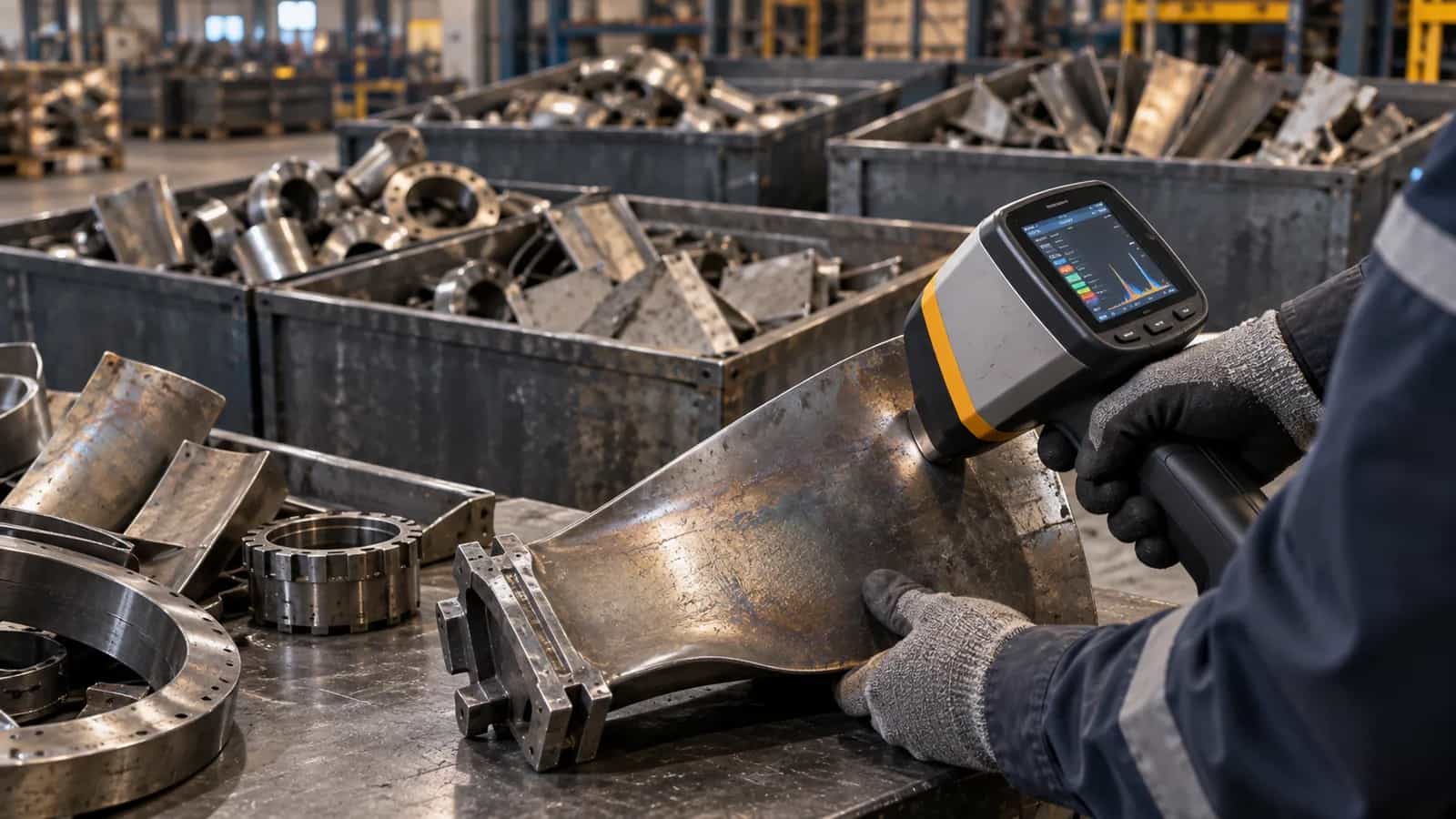
Verification is not optional paperwork — it is the mechanism that converts mixed market scrap into a specific, priced commodity. ABCOM performs this grading at our Singapore desk and Kocaeli facility, with site inspection and container supervision available across the GCC.
Getting Paid: How Settlement Works
Sellers new to export markets usually ask how payment and pricing work.
Pricing basis. Nickel-family material tracks LME nickel, adjusted for the alloy's exact chemistry, form and recovery cost. Cobalt-bearing grades add the cobalt component. Quotes are time-stamped because metals move.
Settlement options. Smaller lots typically settle on fixed price at inspection. Larger or ongoing streams can be settled on assay results after arrival, with agreed deductions — this usually achieves the seller a better net number in exchange for a short payment delay.
Logistics. The buyer handles shipping documentation, but the seller benefits from understanding it: container seal records, weight tickets and composition certificates together form the settlement basis. ABCOM's process shares all of these with the seller — no opaque deductions.

Working With ABCOM From the Gulf
We buy superalloy scrap across the UAE, Saudi Arabia, Kuwait and Qatar — from single pallets to full decommissioning lots. The working pattern is simple: send photographs, quantities and location; receive a same-week indication; material is inspected and graded (on site for larger lots); and shipment moves through our Singapore or Turkish bases with full documentation.
Because we trade and process rather than broker, grading decisions happen inside our own facilities — the seller's price reflects verified composition, not a middleman's guess.
Start with the grade pages above, or go straight to the contact desk with your lot details.
Frequently Asked Questions
What is superalloy scrap worth per kilo in the UAE?
It depends on grade, form and nickel/cobalt content — Inconel 718 solids, for example, price far above mixed stainless. Indications are given per lot after photographs and quantities are reviewed. Avoid per-kilo quotes without grade verification; they are almost always low.
Do buyers come to inspect scrap in Saudi Arabia and Qatar?
For sufficiently large lots, yes. ABCOM arranges site inspection and container loading supervision across the GCC, with compositional certificates issued per segregated grade.
How do I know if my scrap is Inconel or stainless?
Visual identification is unreliable — both can show similar surface finish. XRF analysis settles it in seconds. If material came from turbine, valve or chemical service, assume it is alloy until proven otherwise.
Can mixed superalloy lots still be sold?
Yes, but expect the buyer to price conservatively and sort afterwards. Sending an estimated composition breakdown with photographs before quoting materially improves the offer.
Which documents are needed to export alloy scrap from the GCC?
Typically commercial invoice, packing list, certificate of origin and material composition documentation. When buying, ABCOM prepares the export set and shares composition certificates with the seller for their records.