Key Takeaways
- Superalloy scrap value depends on correct family and grade identification before anything else.
- Nickel based, cobalt based and iron based superalloys must be kept separate to protect value.
- Nickel, chromium, molybdenum and cobalt content make these alloys expensive to produce from raw material.
- Aerospace, gas turbine and chemical processing scrap typically holds the strongest recycling value.
- Clean segregation, documentation and pre shipment grading usually improve the terms a seller can achieve.
Table of Contents
- Superalloy Scrap Grading & Valuation Guide
- Why Superalloy Scrap Commands High Value
- Common Superalloy Grades in the Scrap Market
- How Superalloy Scrap Is Graded
- What Affects Superalloy Scrap Pricing
- Common Sources of Superalloy Scrap
- How to Prepare Superalloy Scrap for Sale
- Working With ABCOM on Superalloy Scrap
- Frequently Asked Questions
Superalloy Scrap Grading & Valuation Guide
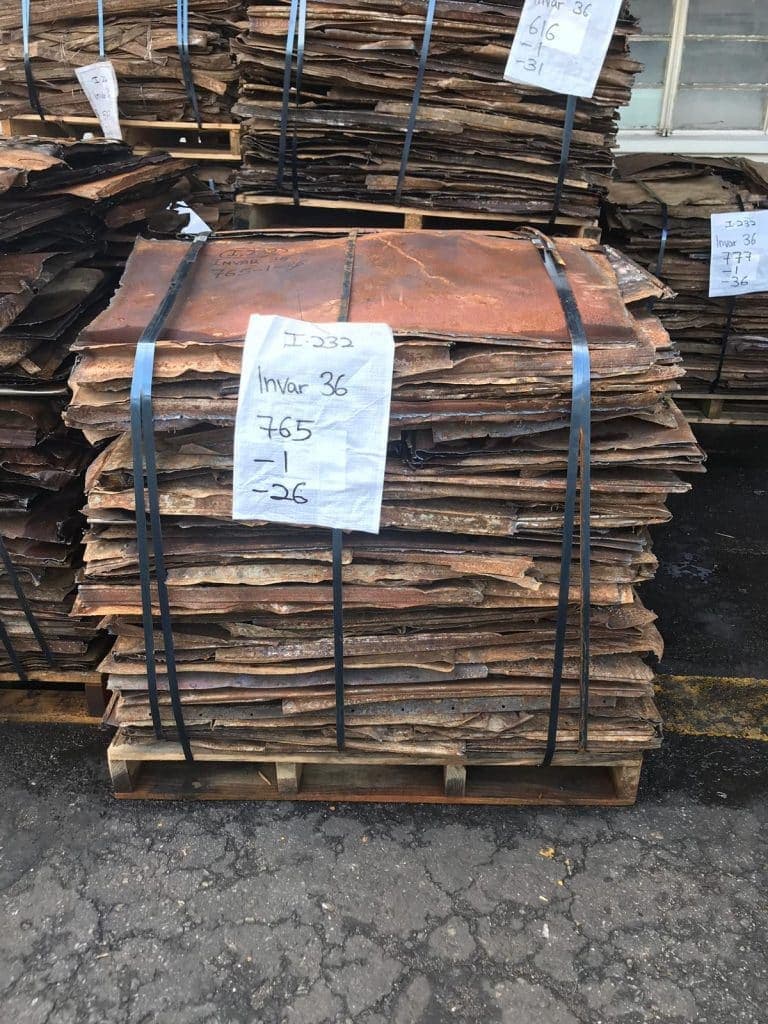
superalloy scrap is a high value recycling stream because the alloys involved were designed to survive environments that ordinary stainless steels cannot handle. Superalloys are usually grouped into nickel based, cobalt based and iron based families, and the scrap value depends heavily on identifying both the family and the exact grade before a lot is quoted. In practical terms, Inconel, Hastelloy and Waspaloy may look similar in cuttings or turnings, but their chemistry, downstream uses and melt value are not interchangeable.
Why Superalloy Scrap Commands High Value
Superalloys are expensive to make from primary raw material because they rely on costly elements that deliver performance in extreme conditions. Nickel provides the base matrix for many of the most important grades, while chromium improves oxidation and corrosion resistance. Molybdenum increases strength and helps resist pitting and crevice corrosion, and cobalt improves hot strength and stability in high temperature service.
That chemistry explains why scrap from superalloy production and use holds strong value. A buyer recycling clean alloy scrap can recover metal content that would otherwise require energy intensive extraction, refining and alloying from virgin feedstock. The value is particularly strong where the scrap originates from aerospace or turbine applications, because those parts are usually made from tightly controlled grades with high nickel and cobalt content.
Common Superalloy Grades in the Scrap Market
ABCOM handles a focused range of superalloy grades that are common in industrial scrap and reprocessing flows. The most frequently encountered nickel based grades include INCO 718 and INCO 625. INCO 718 is widely used in aerospace, gas turbine and other high stress applications. INCO 625 is known for corrosion resistance and is often found in chemical processing, marine and subsea environments.
Hastelloy C276 and C22 are also important scrap grades. Both are nickel chromium molybdenum alloys designed for excellent corrosion resistance, especially in chemical processing, pollution control and other environments involving acids, chlorides and oxidising conditions. C276 is often selected for broad corrosion resistance, while C22 is valued where resistance to a wide range of corrosive media is required.
Waspaloy is a cobalt strengthened nickel superalloy used in demanding turbine components. It is especially relevant in gas turbine discs, rings, fasteners and other parts exposed to elevated temperatures and mechanical stress.
RENE and PWA grades are also part of ABCOM's handling range when they appear in turbine related scrap streams. These proprietary superalloys are used in advanced turbine applications, including single crystal and directionally solidified parts, where creep resistance, fatigue life and thermal stability are essential.
How Superalloy Scrap Is Graded
Grading superalloy scrap begins with alloy family separation. Nickel based material, cobalt based material and iron based material must be identified and kept apart before any pricing discussion.
The next step is verification. Spark testing can help sort obvious family differences, but it is not enough on its own for tight grade control. XRF testing is commonly used to confirm the major elements present and distinguish one alloy family from another. Different Hastelloy variants, for example, may share a nickel chromium molybdenum base but still diverge in element balance enough to affect their end use and market value.
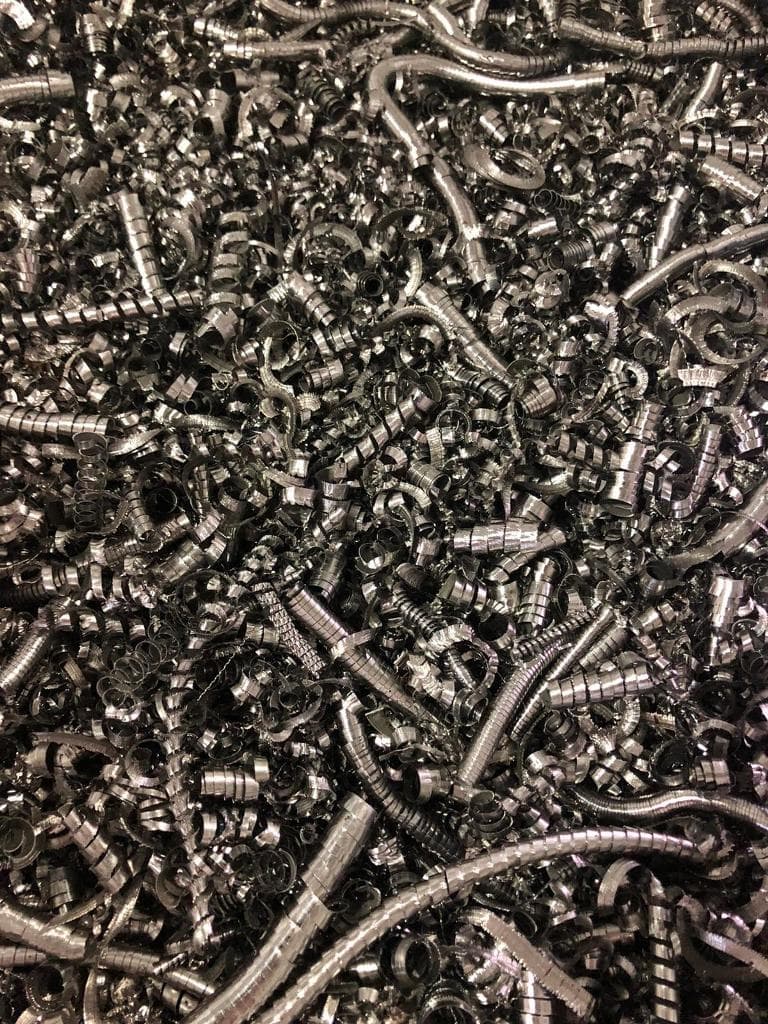
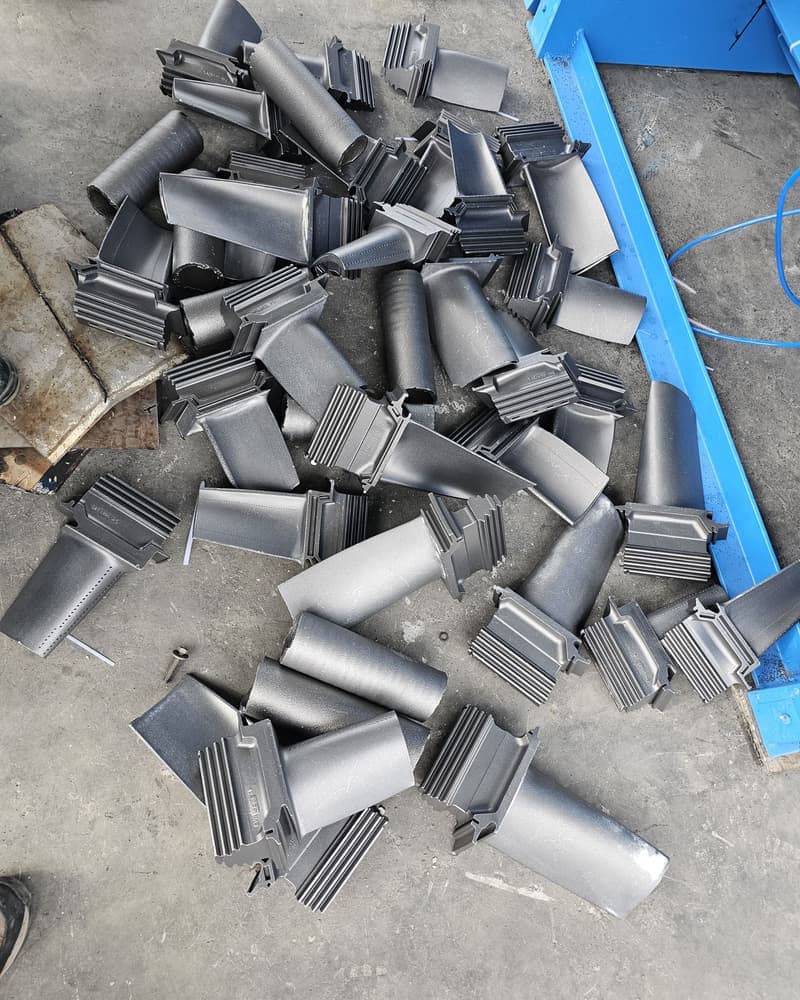
Form factor also matters during grading. Turbine blade cuttings, solids and turnings all have different handling characteristics, contamination risk and processing cost. Solids and larger cut pieces are generally easier to inspect and process. Turnings have more surface area, which increases the chance of coolant residue, oxidation and cross contamination from machining.
Visual sorting alone is not reliable for this category. Similar looking nickel alloy scrap can contain different amounts of chromium, molybdenum, cobalt or tungsten, and that difference changes how the material is handled and priced.
What Affects Superalloy Scrap Pricing
The first factor in pricing is composition purity. A clean, single grade lot with confirmed chemistry is more valuable than material of uncertain origin because the buyer can route it directly into the right processing channel. Once foreign metals, mixed grades or unidentified items enter the lot, the buyer has to discount for testing, sorting and lower downstream confidence.
Form factor comes next. Solids and clean cuttings typically price better than oily turnings because they are easier to inspect and process. Contamination also matters. Oils, coolants, scale, dirt, coatings and mixed metal attachments all reduce the usable yield of the lot and can force extra cleaning or regrading.
Volume influences pricing as well. Larger lots are usually more efficient to handle because they reduce the relative cost of testing, sorting and transport. Smaller lots can still be valuable, but the buyer often needs more margin to cover handling and verification. Market demand from aerospace and energy sectors is another key driver. Sellers should think of pricing as a function of chemistry, cleanliness, consistency and market demand rather than a simple weight based calculation.
Common Sources of Superalloy Scrap
Gas turbine component manufacturing is one of the clearest sources of superalloy scrap. Blades, discs, rings, fasteners and combustor related parts generate offcuts, turnings and rejected pieces during machining and finishing. Maintenance, repair and overhaul activity also creates high value scrap because worn components are removed, replaced or reworked.
Aerospace engine machining is another major source. Engine programs use tightly specified superalloys for hot section parts, and machining these components generates turnings and solids that can be recycled if they remain properly identified. Chemical processing equipment decommissioning also produces scrap streams containing nickel based superalloys, especially from reactors, heat exchangers, piping and fittings exposed to corrosive conditions.
Power generation turbine overhauls round out the common sources. Utility and industrial power plants use high temperature alloys in rotating and stationary components, and periodic overhaul work releases scrap that can include Waspaloy, Inconel and other high nickel grades.
How to Prepare Superalloy Scrap for Sale
The most important preparation step is segregation by grade family. Keep nickel based, cobalt based and iron based alloys in separate containers from the moment they are generated. This reduces the risk of cross contamination and avoids the pricing penalty that comes with mixed material.
Avoid mixing nickel based and cobalt based alloys in the same lot. Even if the scrap looks similar, the chemistry and downstream value are different, and the buyer will treat a mixed lot more conservatively.
Document the origin of the material wherever possible. Mill certificates, work orders, purchase records and job traveler information all help establish grade identity and support a better grading outcome. If a lot comes from aerospace, turbine or chemical processing work, that context should be shared upfront because it helps the buyer assess the likely alloy family and contamination risk.
Request grading before shipment. Pre shipment grading avoids disputes on arrival and gives both sides a clear basis for pricing, logistics and acceptance.
Working With ABCOM on Superalloy Scrap
ABCOM processes superalloy scrap from Singapore and connects that material to a global buyer network built around aerospace, energy and specialty alloy supply chains. Our role is to identify the alloy family, confirm the grade where possible and match the material with the right downstream outlet. For sellers handling Inconel, Hastelloy, Waspaloy and related grades, our super alloys processing page outlines the families we work with and the industrial applications they serve.
Frequently Asked Questions
What is the difference between Inconel and Hastelloy scrap?
Inconel and Hastelloy are both nickel based alloy families, but they are designed for different performance priorities. Inconel grades are often used where high strength and heat resistance matter most, while Hastelloy grades are typically chosen for aggressive corrosion environments. Because their chemistry and downstream uses differ, they are graded and priced separately.
Why must different superalloy grades be kept separate?
Each grade has a specific chemistry profile that downstream processors depend on when melting or remelting material. Mixing grades changes the chemistry in ways that cannot be controlled by simple averaging, so the lot loses certainty and usually loses value. Separate segregation protects both price and traceability.
What is Waspaloy used for?
Waspaloy is used in high temperature aerospace and turbine applications, including discs, rings, fasteners and other hot section components. It is selected for strength, oxidation resistance and mechanical stability under severe thermal and stress conditions.
Which industries generate the most superalloy scrap?
Aerospace, gas turbine manufacturing, maintenance and repair, chemical processing, and power generation are the main sources of superalloy scrap. These sectors use high performance alloys in components that generate valuable offcuts, turnings and replaced parts during production and overhaul work.
Does ABCOM buy superalloy scrap from suppliers outside Singapore?
Yes. ABCOM works with suppliers across international markets, not only in Singapore. Sellers with correctly segregated and documented superalloy scrap can contact our team with grade, form factor and quantity details for assessment.
Superalloy scrap that is correctly identified, kept clean and sold with good documentation is far more likely to achieve strong terms than mixed or uncertain material. If you have Inconel, Hastelloy, Waspaloy or related alloy scrap to sell, contact ABCOM for a quote and grading discussion.