Key Takeaways
- High nickel content is the main driver of value in high temperature alloy scrap.
- Furnace and reformer decommissioning often produces large volumes of clean, recyclable nickel alloy material.
- INCO 600, 800 and 825 may look similar in scrap form, but they are chemically distinct and must be kept separate.
- Form factor, contamination and grade verification affect price as much as alloy chemistry.
- Correct segregation and documentation improve both saleability and recovery value.
Table of Contents
- Why High Nickel Scrap Commands Strong Value
- Common High Nickel Grades in the Scrap Market
- How High Nickel Scrap Is Graded
- What Affects Pricing for High Nickel Scrap
- Common Sources of High Nickel Scrap
- How to Prepare High Nickel Scrap for Sale
- Working With ABCOM on High Nickel Scrap
- Frequently Asked Questions
High Temperature Nickel Alloy Scrap: Grading and Value Guide
high nickel alloy scrap is a distinct and valuable recycling category because it originates from materials engineered to survive severe thermal, oxidising and corrosive service conditions. In furnace, reformer and heat treating operations, nickel-bearing alloys are used where ordinary stainless steels lose mechanical integrity or corrosion performance, and the scrap they generate is different from both superalloy scrap and standard stainless. This material often arrives as tube sections, fabricated component offcuts, sheet, screen, or turnings, yet the real value is determined by chemistry, grade identity and how cleanly it has been segregated.
The market for this scrap is shaped by the same reality that governs other nickel-bearing alloys: nickel is one of the most valuable base elements in the alloy mix, and it is costly to replace in both primary production and downstream remelting. For buyers, the challenge is not simply weight. It is grade certainty, contamination control and knowing whether a lot is furnace-grade material, reformer-grade material or a mixed stream that will need extra handling and testing. That is why well graded nickel alloy scrap can command significantly better returns than more generic stainless or mixed industrial metal.
Why High Nickel Scrap Commands Strong Value
High nickel scrap carries strong value because nickel is the most important cost driver in the alloy chemistry and often the largest component in the material's commercial value. In the high temperature alloys used across heat processing, refining and petrochemical infrastructure, nickel provides a stable matrix that supports oxidation resistance, creep strength and dimensional stability under prolonged thermal exposure. Chromium adds resistance to oxidation and high temperature corrosion, while other elements such as molybdenum, copper and iron tailor the alloy for specific service conditions. The result is a class of alloys that can be expensive to produce from virgin feedstock and highly valuable when recycled correctly.
This value is amplified by the way the material is generated. Furnace and reformer decommissioning projects produce large volumes of scrap at a single point in time, often from heat transfer tubes, radiant sections, vessel internals, furnace fixtures and high temperature equipment that has reached end of life. These locations are not small, occasional scrap sources. They are large industrial flows with material continuity, and the tonnage can be substantial when a plant turnaround, shutdown or boiler equipment replacement occurs.
For a buyer, the economics are simple. A processor that can melt or reprocess clean nickel alloy scrap avoids part of the cost of primary nickel production and new alloy manufacture. That makes the recovery of high nickel content metal commercially attractive, especially when the scrap is well identified and free of major contamination. When a lot is mixed, dirty or poorly documented, the buyer has to discount for sorting, testing and lower certainty in downstream use. In other words, value is not driven only by the nickel content in the alloy. It is driven by whether that nickel content can be recovered as a clean, usable feedstream.
Common High Nickel Grades in the Scrap Market
ABCOM handles a focused range of high temperature alloy grades that are common in industrial scrap flows and reprocessing channels. The core furnace and heat treating grades include INCO 600 and INCO 601. INCO 600 is a highly versatile nickel chromium alloy valued for oxidation resistance and strength in heat processing and furnace service. INCO 601 adds aluminium to the chemistry, increasing resistance to high temperature oxidation and making it especially relevant for furnace fixtures, heat treating baskets and other cyclic high heat applications.
For reformer tube and high alloy austenitic service, INCO 800 and INCO 904L are important grades. INCO 800 is widely used in furnace and reformer tube applications because it maintains good strength and oxidation resistance under sustained elevated temperature conditions. INCO 904L is a higher alloy austenitic stainless type material used in demanding corrosive and high temperature environments where strong acid and chloride resistance matters. These grades are often found in tube sections, vessel components and reconfigured process equipment from petrochemical and heat recovery systems.
The acid resistant line includes INCO 925 and INCO 825. These are nickel iron chromium alloys that incorporate additional alloying elements to support performance in oxidising and reducing acid services, as well as in demanding process heat environments. INCO 825 is especially familiar in chemical and plant service, while INCO 925 appears in more specialised applications where heat and corrosion resistance need to be balanced carefully.
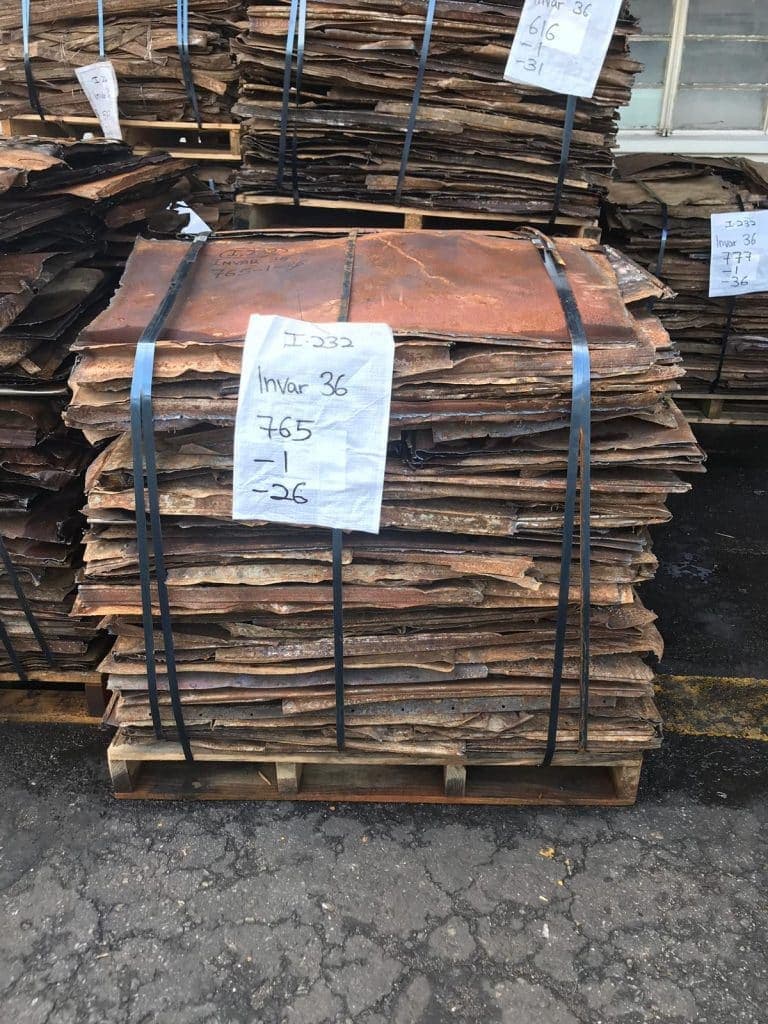
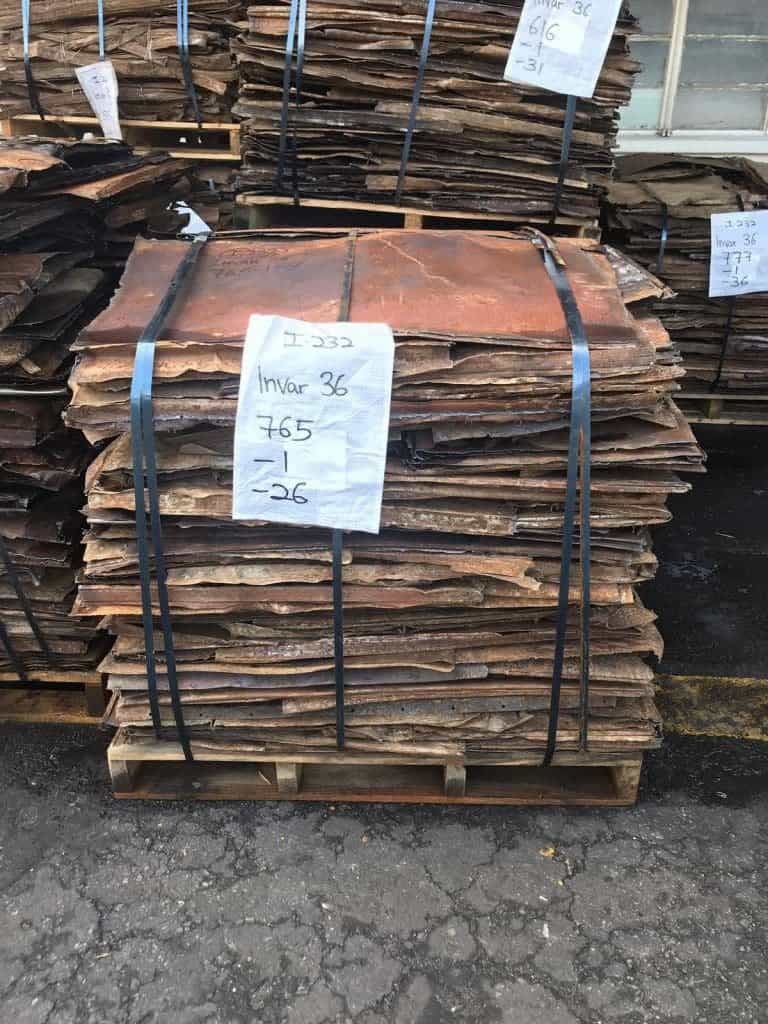
ABCOM also handles Nim 80A and reformer-grade material, both of which are highly relevant when scrap comes from high temperature process equipment, reformer internals and turbine or furnace support systems. Nim 80A is a high temperature nickel alloy used in service where creep resistance and stability under heat are important. Reformer-grade material is a broader category of tube and component scrap associated with steam methane reforming and intense process temperatures. In addition, Invar and nickel screen material appear in the high nickel scrap market where dimensional stability, controlled expansion and fine process screening are required. These materials may be less common than tube cuttings, but they are commercially relevant and often need careful handling because they are used in precision and process-critical equipment.
How High Nickel Scrap Is Graded
Grading high nickel scrap starts with chemistry, not appearance. The primary value driver is the nickel and chromium content, along with the alloy family and the presence of additional elements that change the material's intended service. A buyer needs to know whether a lot is effectively an INCO 600 type alloy, an INCO 800 or 825 type material, or a reformer-grade stream with a distinct operating history. This is why composition checks are so important before a price is offered.
The first grading step is identifying the alloy family and confirming whether it is a furnace-grade or reformer-grade stream. Furnace-grade material is commonly associated with heat treating equipment, process furnaces, radiant tubes, fixtures and industrial equipment that sees sustained elevated temperatures but not necessarily the same tube-specific service profile as reformer application. Reformer-grade material usually carries stronger relevance to steam methane reforming and tube replacement work, where the alloy chemistry and service history are closely tied to extreme process conditions.
Once the family is reasonably clear, the next question is whether the lot is clean and consistent enough to be processed without extra intervention. Material that arrives as tube sections, sheet, fabricated component offcuts or solid pieces is generally easier to grade and handle than heavily contaminated loose material. Tubes are easy to identify when the original service is known, while fabricated offcuts may include attachments, welds, scale or heat-affected material that needs to be evaluated. The form factor matters because it influences how easily the buyer can sort, inspect and melt the lot without excessive rework.
Contamination is also part of the grading process. High nickel alloy scrap can suffer from scale, dirt, mixed metal attachments, foreign steel contamination or unknown residuals from service. The more contamination present, the higher the chance of downgrading or cleaning cost. As with other specialty alloy streams, visual sorting alone is not enough. The buyer needs clear evidence of composition, and that is why documented service history, certificates and pre-shipment grading make such a difference.
The key principle is simple: alloy identity must be confirmed before pricing. INCO 600, INCO 800 and INCO 825 may look visually similar in cuttings or tube sections, but they are not interchangeable. A mixed lot can create downstream problems for re-melters and reduce the value of the entire shipment if not properly segregated and verified.
What Affects Pricing for High Nickel Scrap
Pricing for high nickel scrap is driven by several factors working together. The most important is composition purity. A lot with known nickel content and verified chemistry will almost always price more strongly than a mixed or uncertain stream because the buyer can plan downstream use with confidence. In this category, nickel content specifically matters because the alloy's value is tied to the amount of recoverable nickel-bearing metal in the lot.
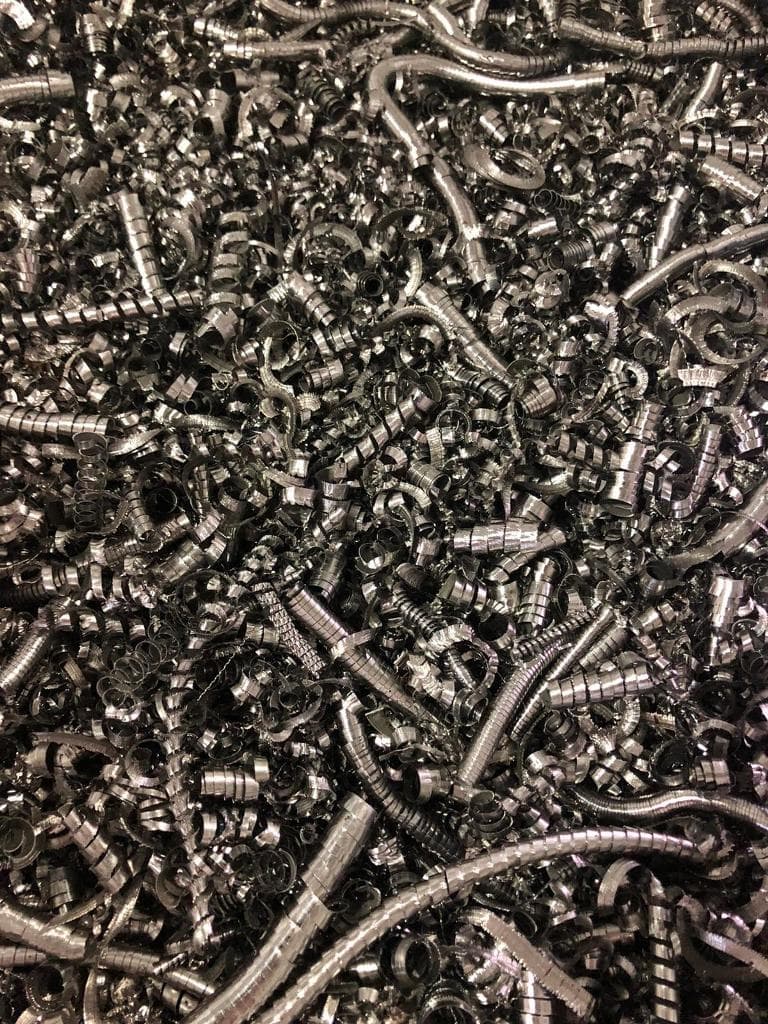
Form factor matters almost as much as composition. Solid pieces, tube sections and clean offcuts are easier to inspect, sort and process than cylindrical turnings, loose fines or heavily contaminated component pieces. Material with a low surface-area-to-volume ratio is more attractive because it creates less handling and cleaning burden. Turnings and heavily oxidised pieces can still have value, but they usually require more evaluation and may attract tighter terms.
Contamination is a direct discount factor. Residual oil, scale, non-alloy metal attachments, coatings, internal deposits and contamination from other metal streams all reduce the recoverable yield of the lot. Even if the base chemistry is strong, a dirty shipment can lose value when the buyer has to allocate extra labour and testing to restore it to a usable feedstream.
Volume also matters. Larger, consistent lots often work better for processors because they reduce the cost of verification and handling relative to the material recovered. That does not mean small volumes are untradeable, but sellers with smaller lots often need to be realistic about how much handling and sorting cost the buyer must absorb.
Broader market demand is the final factor. The petrochemical, refining and power generation sectors remain major sources of this scrap, and their operating cycles often shape how strongly buyers compete for certain grades. When reformer work, furnace replacement or plant turnaround activity rises, the flow of clean high nickel material can tighten, and buyers may become more selective about feedstock quality and segregation. In practical terms, pricing is a function of chemistry, form, contamination, volume and demand, not a single headline number.
Common Sources of High Nickel Scrap
A significant share of high nickel scrap comes from major industrial replacement cycles. Steam methane reformer tube replacement is one of the most important sources. Reformer tubes operate under continuous exposure to extreme heat, pressure and changing process chemistry, so when a set reaches end of life, the recovered material is often valuable because it contains substantial high temperature alloy content and a known service context.
Furnace and heat treating equipment decommissioning is another major stream. Furnace parts, radiant elements, process supports and heat treatment fixtures often use nickel-bearing alloys designed for long service lives. When those units are demolished or overhauled, the alloy scrap can become a sizeable recycle stream if it is still segregated by grade and kept free of contamination.
Petrochemical plant turnarounds generate large batches of alloy scrap from pressure vessels, heat exchangers, reforming units and furnace sections. These projects can create substantial quantities of high nickel material when old equipment is replaced, repurposed or scrapped. The material is often valuable because it comes from high specification service environments that demand alloy performance.
Precision instrument manufacturing also contributes to the market, especially when Invar or other controlled expansion and nickel-bearing materials reach end of life or become trim waste. These sources tend to be lower volume than furnace or reformer scrap, but they can be valuable because they often come with strong process traceability and tight composition control.
How to Prepare High Nickel Scrap for Sale
The best preparation step is segregation by exact grade. INCO 600, INCO 800 and INCO 825 may all be nickel-bearing and visually similar in some forms, but they are chemically distinct and should never be mixed without a clear understanding of the resulting blend. A buyer cannot assume that a mixed stream can be priced as one grade simply because the material looks comparable in the yard or on a loading dock.
This principle matters even more when comparing furnace and reformer material. The buyer needs to know whether the lot is mostly reformer-grade tubing, furnace component scrap or a broad mixture of industrial nickel alloy parts. Keeping those streams separate improves both price and processing efficiency.
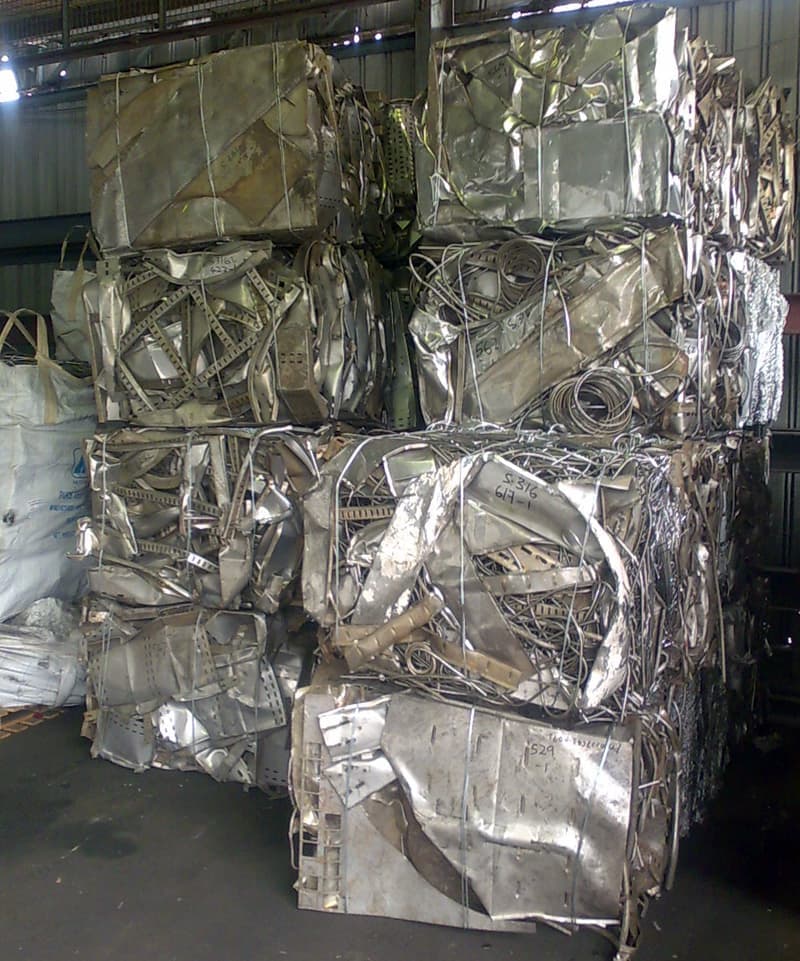
Avoid mixing high nickel alloy scrap with standard stainless scrap. Even if the material sits in the same family of corrosion-resistant alloys, the chemistry and downstream value differ materially. Mixing with stainless reduces the accuracy of grading and often forces tests, sorting and discounts that a seller would rather avoid.
Document material history wherever possible. Mill certificates, service records, original purchase documents, plant records and prior internal material tags all help a buyer assess the likely composition and verify the scrap stream before acceptance. This is especially useful in reformer or furnace work where the history can tell the buyer whether the lot came from tube service, heat treating baskets, vessel components or some other application with different alloy performance characteristics.
Request grading before shipment. This is one of the most effective ways to protect value. Pre-shipment review allows both buyer and seller to understand the likely grade, contamination level and form factor before material leaves the site. It reduces dispute risk, speeds handling and gives the seller a much clearer basis for the price being offered.
Working With ABCOM on High Nickel Scrap
ABCOM operates from Singapore and works with industrial sellers and global buyers across Asia, the Middle East, Europe and the Americas. Our role in high nickel alloy scrap is to identify the material correctly, understand its origin and match it to the right downstream processing route. This is especially important in specialty alloy streams where small chemistry differences can change value and handling requirements in ways that are not obvious without technical review.
For sellers with furnace scrap, reformer tube material and other nickel-bearing high temperature alloy streams, we support grading and transaction review with a practical approach based on actual process conditions and end-use requirements. You can learn more about the heat resistant alloy grades we handle and the industrial service environments they serve on our heat-resistant alloys processing page.
Frequently Asked Questions
What is the difference between INCO 600 and INCO 800?
INCO 600 is a nickel chromium alloy designed for strong high temperature oxidation resistance and broad service use in furnace and heat treating environments. INCO 800 is a nickel iron chromium alloy with a different chemistry and a stronger relevance to reformer tube and high temperature process applications. The two grades are not interchangeable, and they are usually priced and sold separately based on composition and service history.
Why is high nickel scrap more valuable than standard stainless scrap?
High nickel scrap contains a greater concentration of nickel, which is the most valuable base element in these alloy systems and a major driver of cost in primary production. Standard stainless scrap may still have value, but it usually contains lower recoverable nickel content and a different alloy chemistry profile. The higher alloy content and more specialised service use of high nickel material generally supports stronger recycling value.
How much is high temperature alloy scrap worth per kg?
High temperature alloy scrap prices are quoted per lot, not per kg, because value depends on the specific nickel content, form factor and contamination level of the material. INCO 600 and 800 tube sections in clean, segregated condition price well above mixed stainless. For a firm indication, share photographs, approximate weights and location with ABCOM for a grading review and a same-week quotation.
What is reformer tube scrap and why is it significant?
Reformer tube scrap comes from steam methane reformer units, where tubes are exposed to sustained high temperatures and demanding process conditions. This scrap is significant because it often contains large amounts of high temperature alloy content and can be generated in substantial volumes during plant turnaround or replacement activity. Its value depends heavily on grade identification, tube condition and contamination control.
What industries generate the most high nickel alloy scrap?
The largest sources are petrochemical refining, reforming, furnace operation, heat treating, power generation and industrial process equipment maintenance. These industries rely on nickel-bearing alloys for service in extreme heat and corrosive conditions, so decommissioning, shutdowns and replacement work create meaningful volumes of recyclable scrap.
Does ABCOM buy high nickel scrap from suppliers in the Middle East and Gulf region?
Yes. ABCOM works with suppliers across international markets, including the Middle East and Gulf region, and we evaluate high nickel scrap on the basis of grade, form factor, contamination level and volume. Sellers with correctly segregated and documented material can reach out for review and a quotation.
High nickel alloy scrap is only as strong as its grade identity and preparation. When it is correctly segregated, clean and well documented, it can offer a premium recycling value that is far above generic stainless streams. If you have furnace, reformer or heat resistant nickel alloy scrap to sell, get in touch with ABCOM for a review of the material and current market terms.