Cobalt Alloy Scrap: Grades, Identification and Buyer Guide
Key Takeaways
- Cobalt alloy scrap is not one uniform material. Cobalt-chromium wear alloys, cobalt-bearing superalloys, magnetic alloys and mixed industrial scrap need different grading decisions.
- Visual inspection can suggest an alloy family, but XRF, records and follow-up testing are what establish a defensible composition before pricing.
- Clean separation by grade, form and contamination level protects value more effectively than selling a mixed lot by weight.
- Turbine components, hardfacing, tooling, medical components and magnet materials can all enter the cobalt scrap stream, but they should not automatically be treated as the same commodity.
- Sellers get better technical and commercial decisions when they provide photographs, quantities, origin, dimensions and any available mill or inspection records before a quote.
Cobalt alloy scrap comes from demanding industrial environments where materials must resist wear, heat, corrosion or repeated mechanical loading. A lot may contain cobalt-chromium wear components, turbine hardware, nickel-cobalt superalloy parts, magnet material or machining turnings. The commercial mistake is treating all of it as one grade.
For sellers, the central question is not simply how much cobalt is present. It is what alloy family the material belongs to, how cleanly it is separated, what form it takes and whether the composition can be demonstrated. Those details determine how a specialist buyer can route the material into a suitable remelt or processing stream.
What Is Cobalt Alloy Scrap?
Cobalt alloy scrap is discarded or surplus material containing cobalt as a meaningful part of an engineered alloy system. It can come from turbine parts, wear components, tooling, medical manufacturing, magnets and industrial maintenance, so the phrase describes a group of materials rather than one fixed specification.
Cobalt-based alloys are valued because they can retain useful properties under conditions that soften, wear or corrode ordinary steels. Cobalt-chromium-tungsten compositions are common in wear-resistant applications, while nickel-cobalt families are used in high-temperature rotating components. Aluminium-nickel-cobalt materials serve a different purpose in permanent magnets.
That difference matters at the scrap stage. A clean lot of cobalt-chromium hardfacing should not be blended with turbine-grade material simply because both contain cobalt. The downstream buyer may need different melt controls, documentation and end-use approvals for each stream.
Which Cobalt Alloy Grades Appear in Scrap?
Cobalt alloy scrap can be grouped by application and chemistry before a specific grade is confirmed. The following categories are useful for an initial sorting conversation, but they are not a substitute for composition testing or original material records.
Cobalt-chromium wear alloys
Stellite-type materials are widely recognised for wear resistance, hot hardness and resistance to galling. They can appear as hardfaced surfaces, valve components, wear plates, cutting parts and industrial tooling. Chromium and tungsten are important parts of the alloy system, and the scrap should be kept separate from ordinary stainless or nickel alloy offcuts.
Cobalt-bearing turbine and superalloy materials
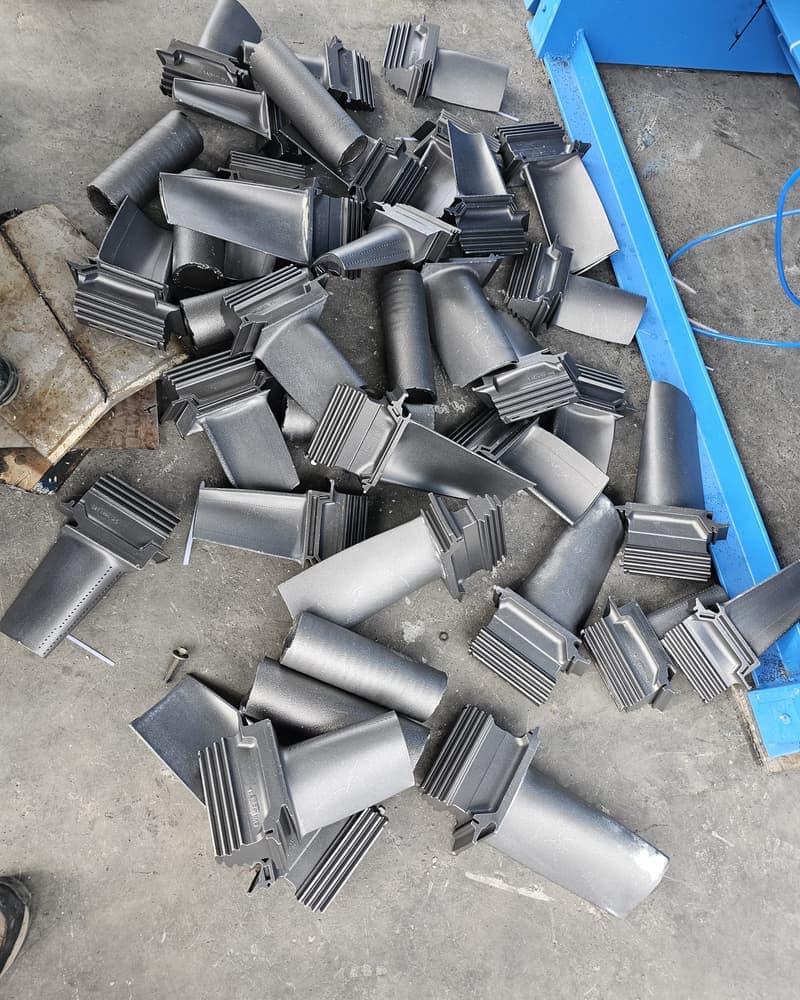
Gas turbine and aerospace maintenance can generate cobalt-base hot-section components, while other rotating parts may belong to nickel-cobalt superalloy families such as Udimet. Component origin is useful evidence, but turbine hardware should still be tested and classified piece by piece when the grade is uncertain.
Magnetic cobalt alloys
Alnico and related aluminium-nickel-cobalt materials are used for permanent magnets and magnet assemblies. They are an application family of their own. Magnet material, attached steel, coatings and mixed assemblies should be described separately rather than folded into a general cobalt scrap estimate.
Mixed or unidentified cobalt-bearing scrap
Unidentified turnings, small components and mixed maintenance lots may contain valuable material, but uncertainty increases the handling and testing required before a buyer can price them. The right first step is a representative sample and a clear description of where the lot came from.
How Is Cobalt Alloy Scrap Identified?
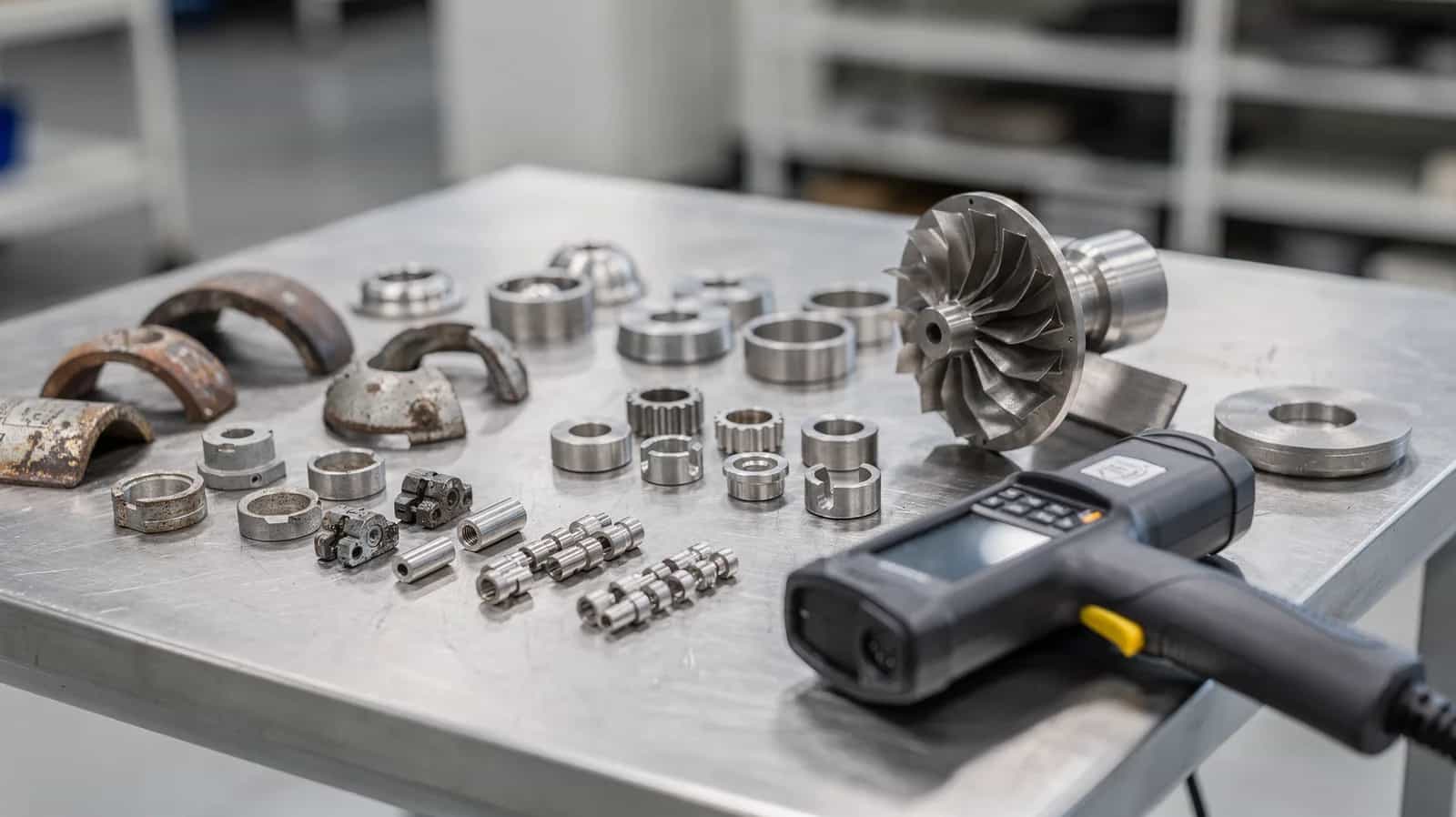
The reliable way to identify cobalt alloy scrap is to combine source information, physical inspection and compositional testing. XRF is useful for rapid screening of major elements, while spark OES, laboratory analysis or mill documentation may be needed when close grades must be separated.
Start with the evidence that already exists. Purchase records, equipment drawings, heat numbers, mill certificates, maintenance records and the original component application can narrow the likely alloy family. Photographs also help identify whether the material is a blade, vane, valve seat, hardfacing deposit, turning, plate or magnet component.
XRF can then screen the material for elements such as cobalt, chromium, nickel, tungsten, molybdenum, iron and other major alloy constituents. It is fast and useful for sorting, but a single reading should not automatically be treated as a complete certification. Surface coatings, oxidation, geometry and contamination can affect readings.
When two candidate grades are close, or when a specification requires tighter chemistry, the buyer may request spark OES or laboratory confirmation. The practical objective is not to produce a complicated report for every piece. It is to create enough defensible evidence that each commercial lot can be assigned to the correct downstream category.
Which Forms of Cobalt Scrap Are Valuable?
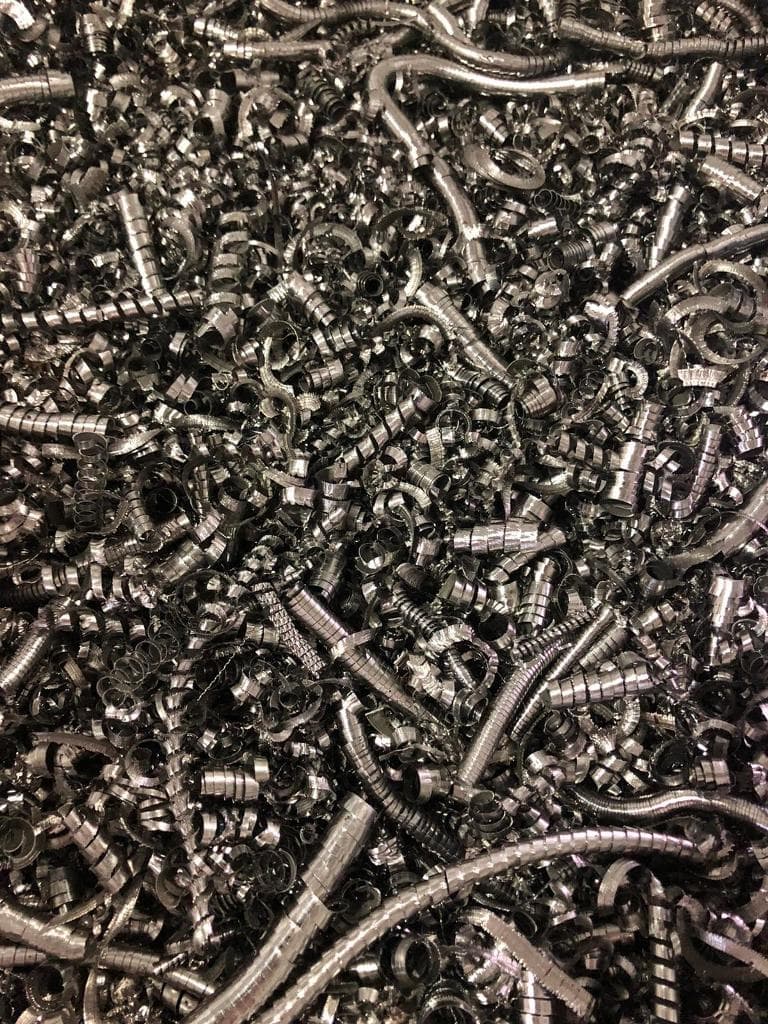
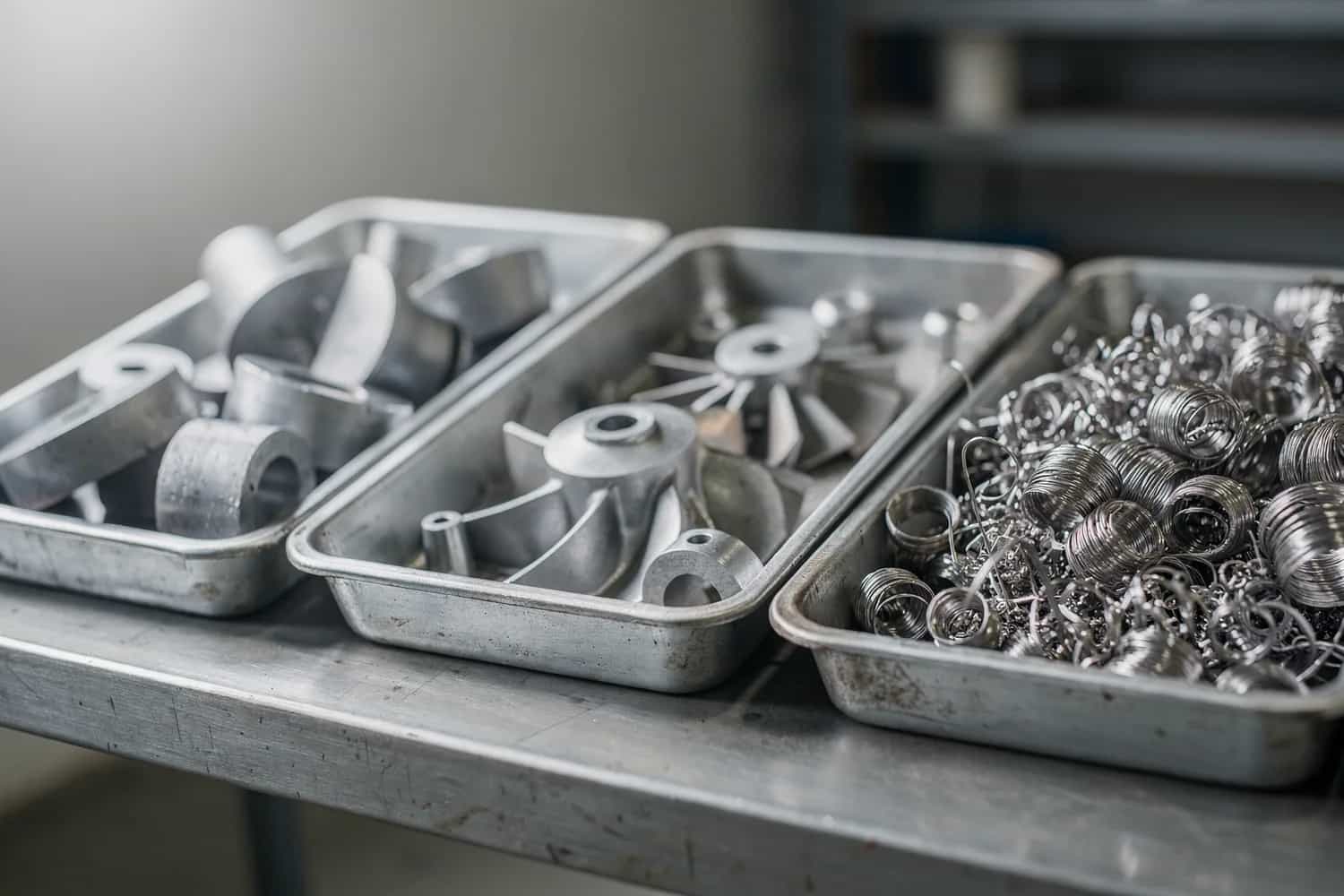
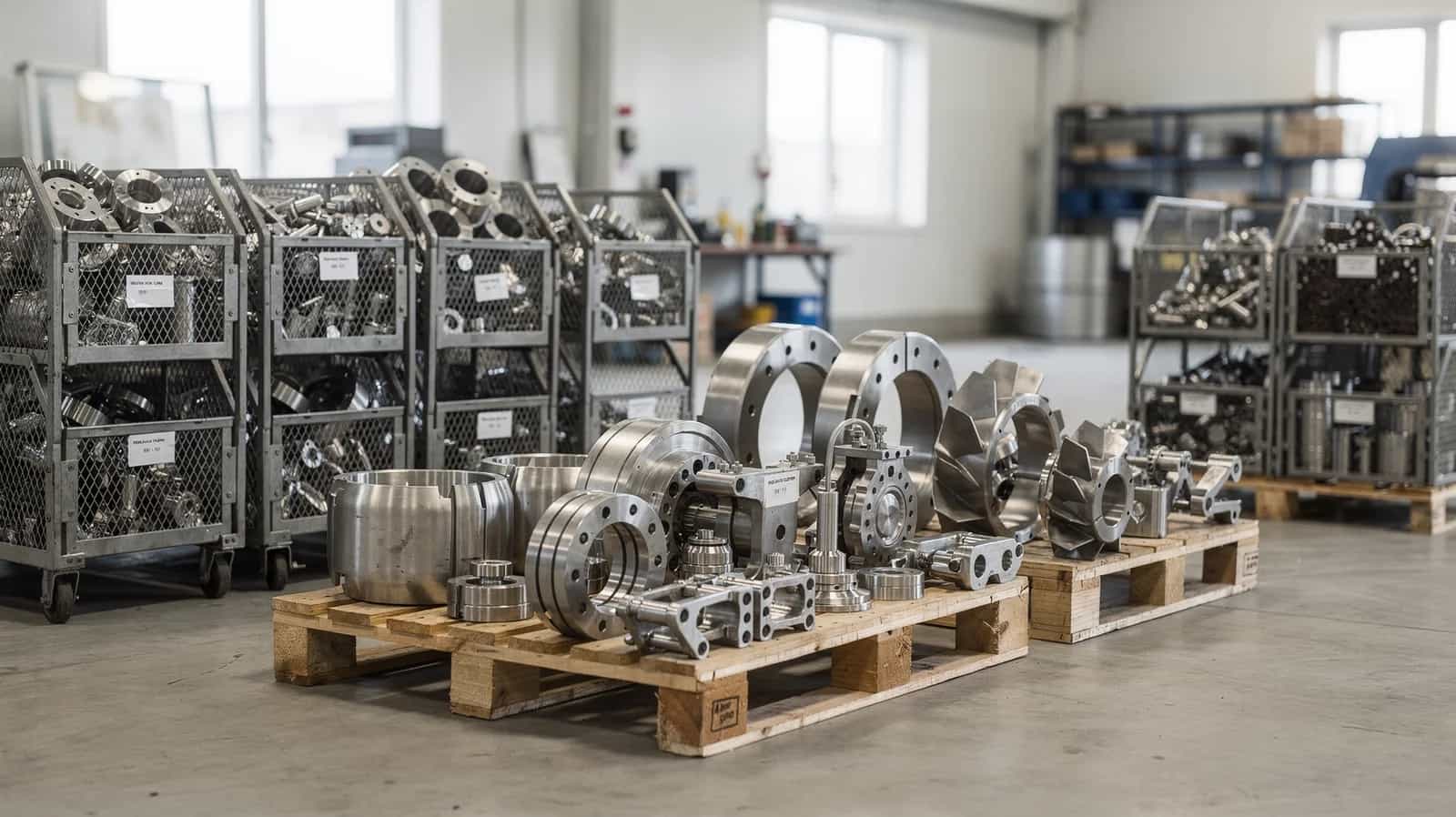
The same alloy family can have different handling value depending on form. Clean solids, forgings, turbine components, plate and segregated hardfacing are usually easier to inspect and route than contaminated mixtures. Turnings can still be valuable, but oil, coolant, steel fragments and mixed chip types affect recovery and processing decisions.
Common forms include:
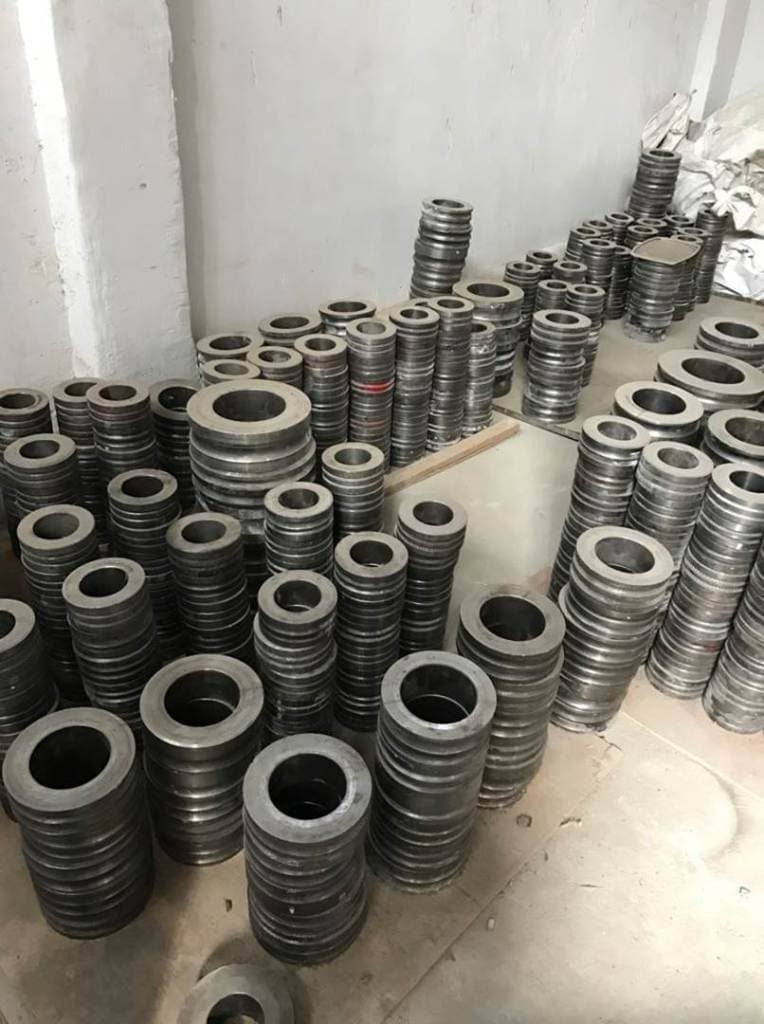
- Turbine blades, vanes, discs, rings and other hot-section hardware
- Valve seats, wear parts and hardfacing deposits
- Tooling, cutting components and industrial wear plates
- Clean plate, bar, forgings and machining offcuts
- Turnings and chips from cobalt-bearing alloy machining
- Magnet assemblies and cobalt-containing magnetic material
Attachments matter. Steel fasteners, brazing material, coatings, insulation and foreign turnings can dilute a lot or make a seemingly simple grade difficult to classify. Photograph the attachments and do not remove anything unsafe or technically significant without understanding its effect on the material description.
How Is Cobalt Alloy Scrap Valued?
Cobalt alloy scrap is valued from verified chemistry, alloy family, physical form, contamination, quantity, location and logistics. There is no responsible single price per kilogram for every cobalt-bearing lot because those variables can change the recovery route and the buyer’s processing cost.
The cobalt percentage is important, but it is not the only consideration. Chromium, tungsten, nickel, molybdenum and iron can materially change the commercial classification. A clean, traceable cobalt-chromium wear alloy may be more useful to one buyer than an unidentified lot with a higher apparent cobalt reading but significant attachments and mixed forms.
Market timing also matters, especially for strategically important metals. A useful indication should state what was tested, how the lot was separated, what quantity is available, where it is located and whether the price is based on a preliminary description or confirmed chemistry. Sellers should be cautious of flat offers made without photographs, weight, origin or inspection information.
How Should Cobalt Alloy Scrap Be Prepared for Sale?
Preparation begins before the material leaves the plant or warehouse. Keep known grades and applications in separate containers, record the source equipment, and photograph both the overall lot and representative pieces. If the material is from a maintenance shutdown, preserve the work order or component description that explains its origin.
Prepare a short lot brief containing:
- Alloy name or suspected family, if known
- Approximate gross and net weight
- Form: solids, turnings, forgings, blades, hardfacing or mixed pieces
- Country and city of the material
- Photographs of representative pieces and any markings
- Existing XRF, OES, mill certificates or maintenance records
- Contamination, attachments, oils or mixed grades
- Preferred timing for inspection, collection or shipment
Do not mix cobalt alloy scrap with ordinary stainless, nickel alloy or carbide material merely to simplify storage. Segregation may require more bins and better records, but it gives a buyer a much clearer basis for testing and valuation. When a lot is genuinely mixed, describe it as mixed and let the buyer recommend the safest sampling and sorting process.
Frequently Asked Questions
What is cobalt alloy scrap worth?
Cobalt alloy scrap does not have one universal value. The indication depends on cobalt and other alloying elements, grade certainty, form, contamination, quantity, location and current market conditions. A specialist buyer normally needs photographs, weight, source information and representative chemistry before giving a defensible number.
How can I tell if scrap contains cobalt?
Source records and component application can provide an initial clue, but appearance alone is unreliable. XRF screening can identify major elements quickly, while spark OES or laboratory testing may be needed for close grades or specification-sensitive material. Keep the test result tied to the actual lot and sample location.
Is cobalt-chromium scrap the same as a cobalt superalloy?
No. Cobalt-chromium wear alloys, such as Stellite-type materials, are designed for surface wear, galling and high-temperature hardness. Cobalt-base and nickel-cobalt superalloys are designed for structural performance in hot sections or rotating components. They may share elements but should be sorted and described separately.
Does cobalt scrap from turbines have special value?
It can, but the component origin does not prove the exact grade. Turbine blades, vanes, discs and other hot-section parts may belong to different cobalt-base or nickel-cobalt families. Piece-by-piece sorting, component records and compositional testing help prevent a valuable lot from being priced as unidentified mixed metal.
What should I send a buyer before requesting an indication?
Send the suspected grade or application, photographs, approximate quantity, location, physical form, contamination details and any XRF, OES or mill documentation. If the lot is mixed, say so clearly. A complete first description reduces unnecessary back-and-forth and lets the buyer decide what inspection is needed.
Discuss a Cobalt Alloy Scrap Lot With ABCOM
ABCOM sources and processes specialty cobalt alloys for aerospace, power-generation, tooling, medical and industrial applications. If you have cobalt-chromium scrap, turbine components, Udimet material, Alnico assemblies, turnings or a mixed lot requiring identification, send the grade information, photos, quantity and location through the contact page.
For related material information, see ABCOM’s cobalt alloys page, superalloy processing guide, and turbine scrap programme.
This guide is general material information, not a binding price quotation. Final classification and commercial terms depend on inspection, verified chemistry and the agreed lot description.