Specialty Alloy Processing
Cobalt Alloys Processing
& Global Supply
Operating from Singapore, ABCOM sources, processes, and supplies specialty cobalt alloys: wear-resistant and heat-stable grades including Stellite-type, Udimet, and Alnico compositions, to aerospace, power generation, and industrial buyers globally. Backed by a 25-year track record in non-ferrous specialty metals.
Material Overview
What Are Cobalt Alloys?
Cobalt alloys combine exceptional wear resistance, heat stability above 800°C, and resistance to galling and corrosion. Cobalt-chromium-tungsten compositions, often known industry-wide as Stellite-type alloys, retain hardness at elevated temperatures where most materials soften, making them irreplaceable in extreme service environments.
Unlike nickel-based superalloys primarily engineered for creep strength, cobalt alloys are especially valued for their tribological performance (the ability to resist surface damage under friction, abrasion, and impact) while maintaining oxidation resistance at temperatures that would degrade conventional steels.
ABCOM trades and processes cobalt alloy scrap and primary forms, including aerospace and power generation grades. Our technical expertise in grading and sorting ensures that material entering downstream supply chains meets the compositional requirements of foundries, re-melters, and alloy producers. See our full product range for available grades.
End Markets
Industries & Applications
Aerospace
Turbine blades, vanes, and combustor components requiring strength retention at extreme temperatures rely on cobalt-based superalloys and Stellite-type wear grades.
Power Generation
Land-based gas turbine hot-section components and wear-resistant valve seats depend on cobalt alloys for oxidation resistance and creep strength at sustained thermal load.
Industrial Tooling
Hardfacing, cutting tools, and wear plates where Stellite-type cobalt alloys resist abrasion and galling in demanding machining and processing environments.
Medical
Cobalt-chromium alloys used in implants and surgical instruments combine biocompatibility with wear resistance for long service life in the human body.
Oil & Gas
Valve seats, drill components, and downhole tooling exposed to abrasive and corrosive conditions where cobalt alloys outperform conventional steels.
Electronics & Magnetics
Alnico-type cobalt alloys are used in permanent magnet applications across motors, sensors, and electronic devices requiring stable magnetic properties.
Material Categories
Grades We Supply
GTD & HS Series
Cobalt-base superalloy grades developed for gas turbine hot-section components, offering high-temperature strength and oxidation resistance. GTD and HS series alloys are widely specified in power generation and aerospace applications where sustained thermal performance is critical.
Udimet
A nickel-cobalt superalloy family used in turbine discs and high-stress rotating components requiring fatigue resistance at elevated temperatures. Udimet grades combine the high-temperature capability of cobalt with the precipitation-hardening characteristics of nickel superalloys.
Kovar
An iron-nickel-cobalt alloy engineered for controlled thermal expansion, widely used in electronic packaging and glass-to-metal sealing applications. Kovar's precisely matched expansion coefficient to borosilicate glass makes it essential in hermetic electronic assemblies.
UNCO & Alnico
Alnico is a well-established aluminium-nickel-cobalt alloy family used in permanent magnet manufacturing, valued for thermal stability and magnetic coercivity. UNCO grades cover additional cobalt-based compositions for specialty applications. ABCOM handles both scrap and primary forms for magnet producers and re-melters.
Others: ABCOM handles additional cobalt alloy grades and forms on inquiry. Contact us with your specific grade requirements, forms, or quantities.
Our Capabilities
Processing & Recycling
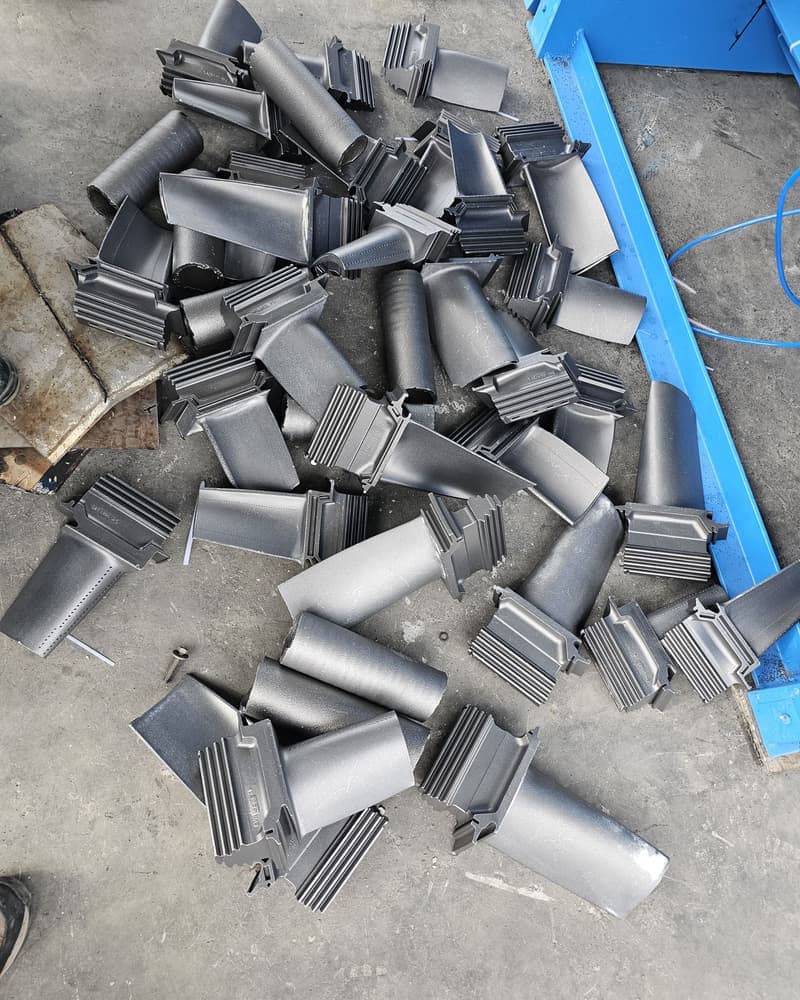
ABCOM processes cobalt alloy scrap from aerospace, power generation, and industrial decommissioning. These streams include GTD and HS series turbine components, Udimet rotating parts, and Stellite-type wear alloys, all containing significant concentrations of cobalt, chromium, and tungsten.
Cobalt scrap recovery is highly valuable due to cobalt's strategic importance across superalloys, permanent magnets, and battery supply chains. Accurate sorting and grading by alloy family (cobalt-chromium wear alloys, nickel-cobalt superalloys, and magnetic cobalt alloys) is essential to maximise recovered value and ensure downstream compositional accuracy.
Quality control and traceability are applied throughout our process. Material is documented from origin through dispatch, supporting the compliance requirements of vacuum and air-melt grade customers. Cobalt-bearing turbine hardware is handled through our dedicated turbine scrap programme. Learn more about our operations on the about page.
Processing Capabilities
- Alloy identification and compositional grading
- Sorting by grade family: cobalt-chromium wear alloys, nickel-cobalt superalloys, magnetic cobalt alloys
- Scrap processing from aerospace, power generation, and industrial decommissioning
- Handling of GTD, HS series, and Udimet scrap streams
- Quality control and lot documentation for vacuum and air-melt grade material
- Export preparation and international logistics coordination
Trading Network
Global Supply from Singapore
Singapore's position as a global trading hub gives ABCOM direct access to cobalt alloy flows across Asia-Pacific, the Middle East, Europe, and North America. Our operational footprint enables us to source, process, and export material efficiently to buyers across all major industrial regions.
Export markets for our cobalt alloy material include turbine component manufacturers, superalloy re-melters, and magnet producers. We also supply complementary tungsten alloys for buyers requiring high-density wear-resistant materials alongside cobalt grades. We work with buyers requiring consistent grade quality, reliable documentation, and competitive pricing based on real-time market conditions across 30+ countries.
For sourcing inquiries, logistics discussions, or pricing on specific cobalt alloy grades, contact our Singapore office directly via the contact page.
Why Choose ABCOM
Specialist Expertise, Global Reach
25+ Years Experience
Established in Singapore in 2000, ABCOM has operated through multiple commodity cycles with consistent focus on specialty non-ferrous alloys.
International Operations
Offices in Singapore and Turkey, with active trading relationships across Europe, Asia, and the Americas.
Alloy Expertise
Deep technical knowledge of cobalt-chromium wear alloys, nickel-cobalt superalloys, and magnetic cobalt compositions, from identification through to final sale.
Sustainable Recycling
Recovering high-value cobalt alloy content from industrial scrap reduces primary mining demand and supports circular supply chains.
Common Questions
Frequently Asked Questions
What are cobalt alloys used for?
Cobalt alloys are used in applications demanding wear resistance, heat stability, and corrosion resistance. Key uses include gas turbine hot-section components, valve seats, hardfacing for cutting tools, medical implants, and permanent magnet manufacturing.
What is a Stellite-type cobalt alloy?
Stellite-type alloys are cobalt-chromium-tungsten compositions that retain hardness at elevated temperatures where most materials soften. They are widely specified for hardfacing, cutting tools, wear plates, and turbine components due to their exceptional galling and abrasion resistance.
Why is cobalt alloy scrap valuable?
Cobalt is a strategically critical metal with limited primary supply. Cobalt alloy scrap from aerospace, power generation, and industrial decommissioning contains high concentrations of cobalt, chromium, and tungsten, all of which carry strong recycled value and re-enter superalloy, magnet, and battery supply chains.
What industries use cobalt alloys?
Primary industries include aerospace, power generation, industrial tooling, medical devices, oil and gas, and electronics. Any sector requiring wear resistance, biocompatibility, or high-temperature performance at sustained operating conditions relies on cobalt-based alloy materials.
What is the difference between Alnico and cobalt superalloys like Udimet?
Alnico alloys are aluminium-nickel-cobalt compositions used primarily for permanent magnets, valued for their magnetic coercivity and thermal stability. Cobalt superalloys such as Udimet are nickel-cobalt structural materials engineered for high-temperature mechanical performance in turbine discs and rotating components, an entirely different application family.
Knowledge Base
Related Guides
Practical grading and valuation guides from our trading desk.
Source or Sell Cobalt Alloys
Contact ABCOM for pricing, logistics, or technical discussions on cobalt alloy grades including GTD, HS series, and Udimet. We work with buyers and sellers across 30+ countries.