Selling Nickel Alloy Scrap in Singapore: Grades, Prices and Buyer Guide
Key Takeaways
- Singapore generates a steady flow of nickel alloy scrap from marine, oil and gas, electronics and precision engineering industries — and most of it is under-identified before it is sold.
- Pure nickel, Monel, Nichrome and Inconel-type alloys sit in the same recycling stream but carry very different values. Sorting by grade is what separates a fair price from a generous one.
- Scrap prices for nickel track the LME nickel market adjusted for exact chemistry, form and contamination. No credible buyer quotes a firm number without knowing what the material is.
- XRF verification is the fastest way to confirm nickel content and separate nickel alloys from stainless steel, which looks similar and is worth far less.
- Before requesting an offer, send photographs, weights, origin and any mill or test records. Buyers price certainty, and a documented lot gets priced faster and higher.
Singapore's workshops, shipyards, chemical plants and electronics manufacturers consume nickel alloys daily — and every maintenance cycle, machine shop and decommissioning project produces nickel alloy scrap. Much of it leaves the island priced as generic "non-ferrous metal" because nobody identified it properly first.
That gap costs sellers real money. Nickel is one of the most valuable base metals in the recycling market, and nickel-rich alloys such as Monel, Nichrome and Inconel-type grades are worth multiples of ordinary stainless steel. The difference between a documented, separated lot and an unidentified mixed bin is regularly the largest single factor in what a seller receives.
This guide explains what nickel alloy scrap actually is, which grades appear most often in Singapore industry, how value is decided, how buyers verify material, and how to prepare a lot so it earns its real worth.
What Is Nickel Alloy Scrap?
Nickel alloy scrap is surplus or end-of-life material in which nickel is the principal or a major alloying element. In Singapore it comes from marine hardware, chemical and desalination equipment, furnace components, resistance-heating elements, turbine hardware and precision-machined parts. It is valued for its recoverable nickel content and, in some grades, for chromium, molybdenum and copper as well.
Nickel alloys exist because nickel gives materials properties that steel cannot deliver: corrosion resistance in salt water and acids, strength at high temperature, stable electrical resistance and non-magnetic behaviour. Each application family produces its own characteristic scrap stream.
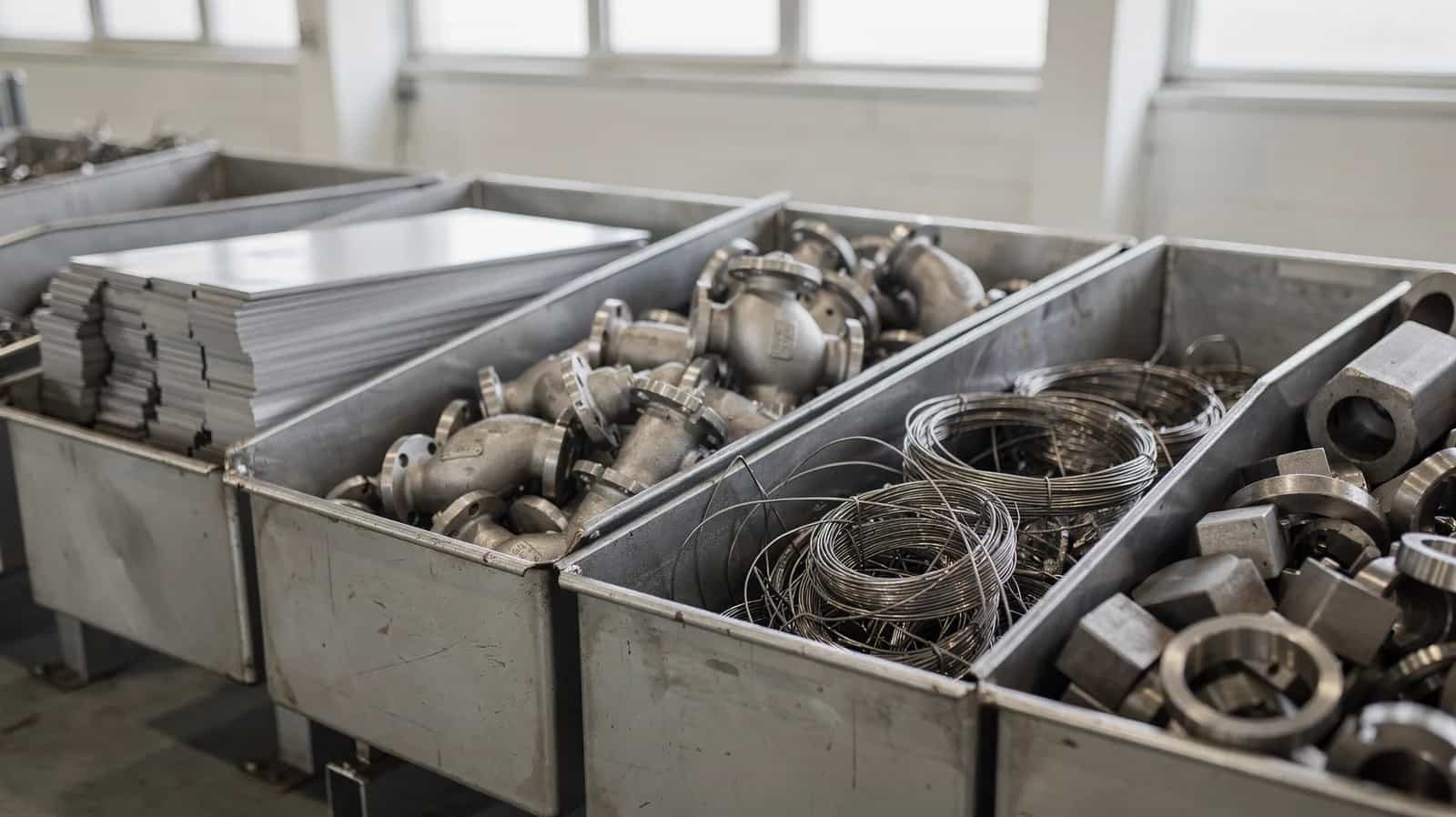
The important commercial point: nickel alloy scrap is not one commodity. A bin of Monel fittings, a coil of Nichrome wire and a stack of Inconel-type plate all contain nickel, but a buyer certifies, processes and sells each grade through a different remelt channel. Blending them into one lot prices everything at the least valuable common denominator.
Which Nickel Alloys Appear in Singapore Scrap?
These are the streams most commonly encountered by Singapore sellers:
- Pure nickel (Nickel 200/201 type) — anodes, sheet, strip and bus components from electroplating, battery and chemical plant work. The highest-value common form because the chemistry needs no dilution.
- Monel (nickel-copper, e.g. 400 and K500) — marine hardware, pump shafts, valve components and fasteners exposed to seawater. Common in shipyard and offshore maintenance scrap.
- Nichrome (nickel-chromium resistance wire, 80/20 and 60/15) — heating elements from furnaces, ovens, kilns and hot-air equipment. One of the most under-sorted streams in the market: it is frequently mistaken for stainless and sold at a fraction of its worth.
- Inconel-type and nickel-iron-chromium alloys (600, 625, 718 families) — high-temperature and corrosion-service hardware from power generation, petrochemical and aerospace-adjacent work. These overlap with the superalloy streams covered in ABCOM's superalloy processing guide.
- Nickel-bearing stainless and heat-resistant alloys — plant components whose value comes partly from nickel content; correctly these belong with the heat-resistant alloy streams described on ABCOM's heat-resistant alloys page.
- Nickel silver (nickel-copper-zinc) — decorative and instrument alloys. Despite the name it contains no iron and only modest recoverable value; it should not be presented as nickel scrap.
What Is Nickel Alloy Scrap Worth?
The value of nickel alloy scrap is set by verified chemistry, form, cleanliness and weight, referenced against the LME nickel market and adjusted for the buyer's processing route. A credible buyer quotes per lot after identifying the material — never as a single flat rate for "nickel scrap".
Several factors move the number:
- Nickel content. Pure nickel and high-nickel grades price near the metal market. Diluted or misidentified material prices at whatever the worst-case reading suggests.
- Grade identity. Certified Monel, Nichrome and Inconel-type streams each route to a different remelt market. An identified grade earns its own market price; an unidentified alloy earns a conservative discount.
- Form. Clean solids, plate and wire are easy to sample and verify. Turnings, mixed fittings and shredded material carry processing cost.
- Contamination. Attached steel, brazing, oil, insulation and plating dilute the lot and raise handling cost.
- Quantity and logistics. Collection, packing and shipment economics depend on lot size and location.
Two practical rules follow from this. First, a price quoted over the phone without photographs or identification is a placeholder, not an offer. Second, the difference between selling a mixed bin and selling separated, documented grades is usually worth more than any negotiating tactic.
How Is Nickel Alloy Scrap Identified?
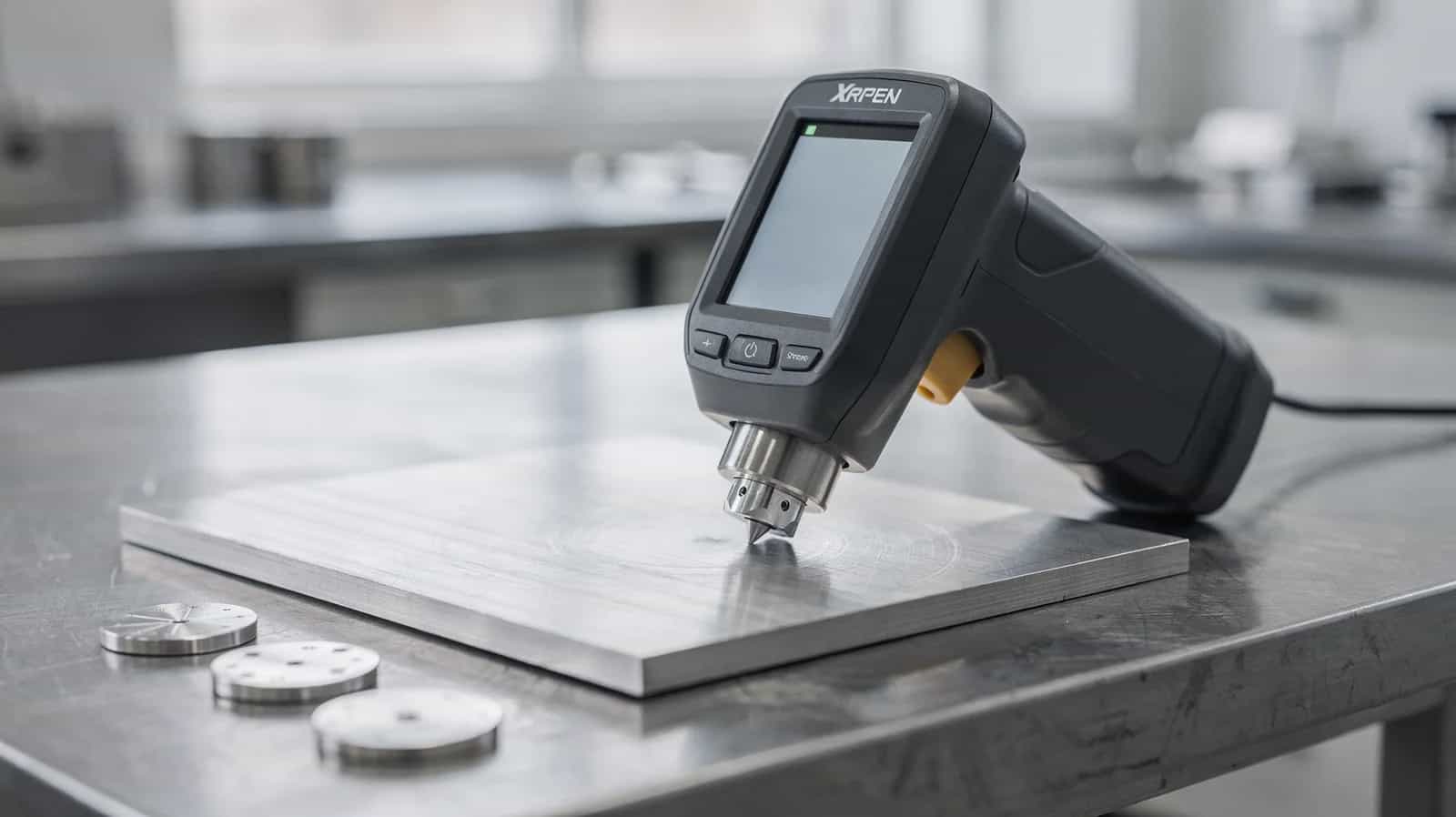
The reliable identification sequence is source records, simple physical tests, then compositional verification by XRF. Appearance alone cannot separate nickel alloys from stainless steel, and even experienced handlers misjudge Nichrome against stainless at a glance.
Start with what you know: equipment datasheets, purchase records, mill certificates and the original application usually narrow the family immediately. Marine pump components suggest Monel; furnace elements suggest Nichrome; chemical plant plate suggests a high-nickel corrosion grade.
Simple physical checks help at the sorting stage. Nickel alloys are non-magnetic, noticeably denser than stainless steel, and often carry mill markings or heat numbers. But these checks exclude material — they do not certify it.
XRF is the decisive step. A handheld analyser reads nickel, chromium, copper, iron and other elements in seconds and settles the questions appearance cannot: Is it nickel or stainless? Is it Monel or brass-plated steel? Is this wire Nichrome or nickel-plated iron? ABCOM performs XRF verification on every nickel scrap lot at its facilities, and the reading is shared with the seller before pricing — which is exactly what a seller should insist on from any buyer.
Which Forms of Nickel Scrap Are Valuable?
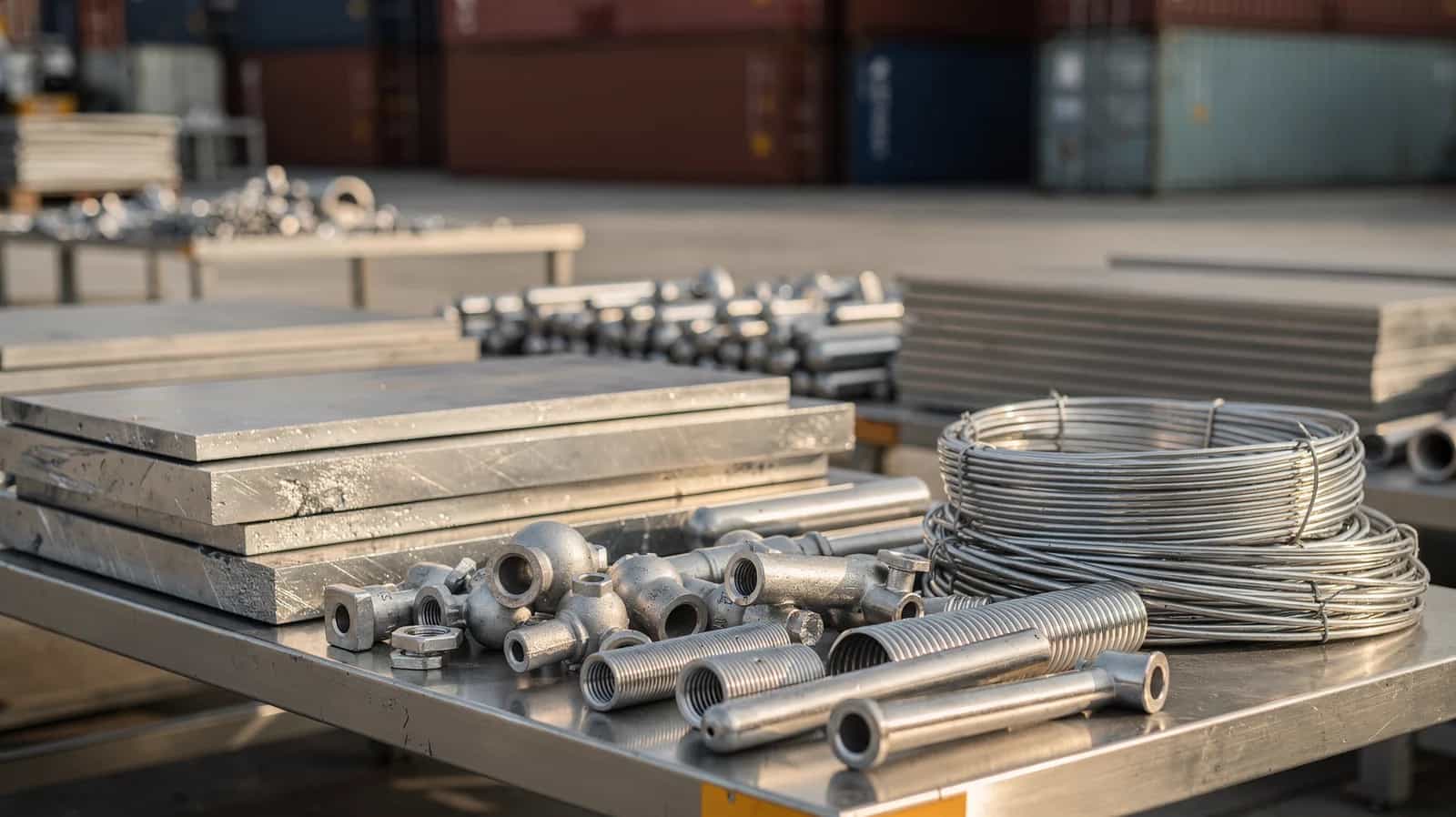
Form affects how easily a lot can be verified and processed:
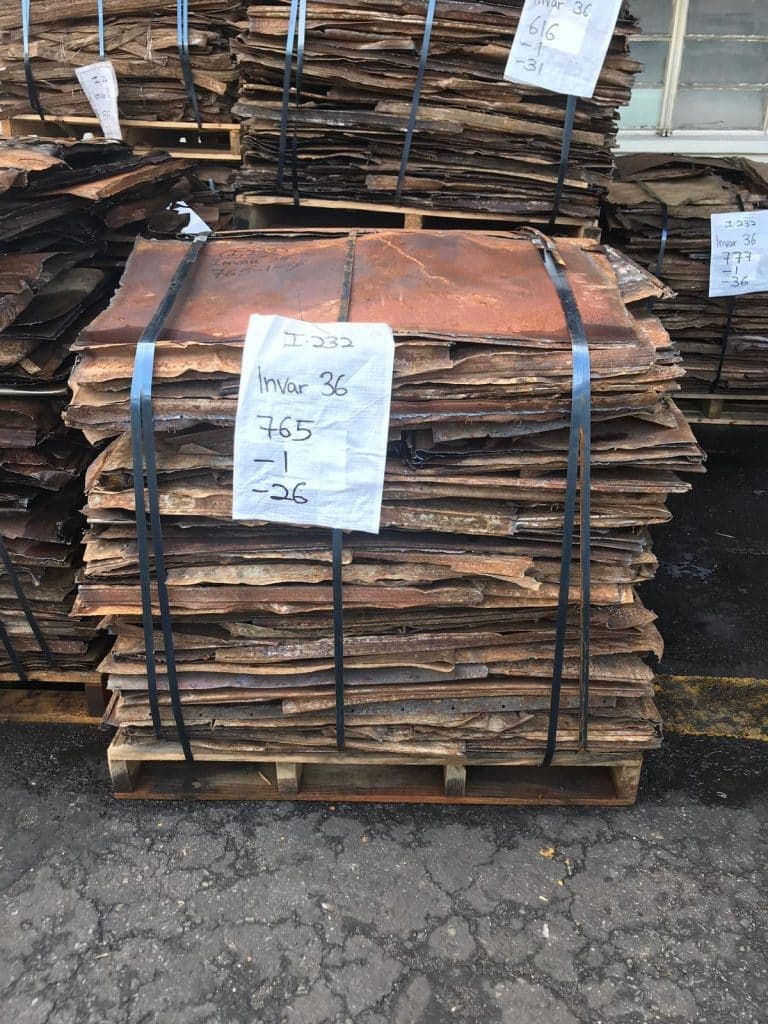
- Solids and plate — the strongest form. Dense, easy to sample, minimal hidden contamination.
- Pipe, tube and fittings — common from marine and chemical maintenance; watch for attached steel flanges and gaskets.
- Wire and heating elements — Nichrome values are strong, but coils must be free of ceramic supports and mounting hardware.
- Machined components — clean production offcuts are excellent; oily chips are worth less.
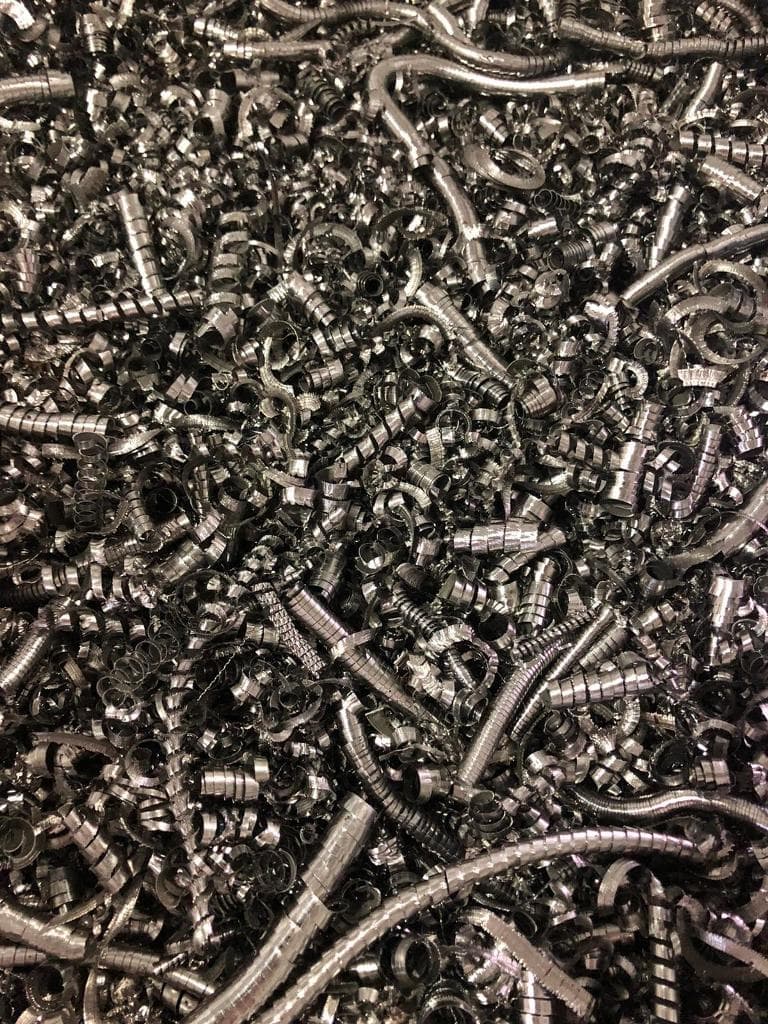
- Turnings and swarf — valuable when dry, separated and tied to a known alloy; mixed machine-shop bins need sorting first.
The same logic applies to every form: the buyer is paying for verified nickel chemistry minus the cost of handling what is not nickel. Sellers who keep forms separate give the buyer less to discount.
How to Choose a Nickel Scrap Buyer in Singapore
Singapore has many licensed scrap dealers, from general non-ferrous yards to specialty alloy traders. They are not equivalent when the material is nickel alloy, and the differences show up in price:
- Do they verify chemistry? A specialist buyer performs XRF (and OES or lab confirmation where needed) and shares the result with you. A yard that prices "by eye" is pricing your uncertainty, not your metal.
- Do they handle specialty grades? Monel, Nichrome and Inconel-type alloys route to international remelt markets. A general yard may only pay a generic non-ferrous rate because it has no route to those markets.
- Is pricing transparent? You should be told what was tested, what was assumed and how the number was built. Vague per-kilo quotes on unidentified material should be treated as the floor, not the market.
- Can they take mixed lots properly? If your material is mixed, the right buyer is one with the sorting and testing capability to unlock the value — not one that discounts the whole bin.
For context on how specialist verification changes outcomes for high-nickel streams specifically, see ABCOM's high nickel scrap programme, and for selling logistics see the general sell scrap overview.
How Should You Prepare Scrap for Sale?
Preparation is the cheapest value upgrade available to a seller. Before requesting an offer:
- Separate material by grade or source where you can — keep Monel, Nichrome and Inconel-type pieces out of the general non-ferrous bin.
- Remove nothing unsafe or technically significant; photograph attachments instead.
- Photograph the overall lot and representative pieces, including any markings or heat numbers.
- Estimate gross weight, and net weight if you can.
- Record the origin: which equipment, which plant section, which maintenance campaign.
- Gather any mill certificates, datasheets or previous test results.
- Note contamination: oil, insulation, brazing, attached steel.
- Decide whether you want on-site inspection, drop-off or collection.
Then send a short brief — grades or suspected family, weights, photos, location and records — through ABCOM's contact page. A complete first description is what allows a buyer to commit to a real number rather than a cautious one.
Frequently Asked Questions
What is the current scrap price for nickel?
Nickel scrap prices move with the LME nickel market and are then adjusted for the exact alloy, form and contamination of your lot. Because those adjustments are material-specific, no buyer can responsibly quote a single firm number without identifying the material first. Clean, verified pure nickel prices near the metal market; unidentified "shiny metal" is priced conservatively until tested.
Where can I sell scrap metal in Singapore?
Singapore has licensed general scrap yards across the island that accept mixed non-ferrous metal. For nickel alloys specifically, the better outcome usually comes from a specialty buyer that verifies chemistry and handles grades such as Monel, Nichrome and Inconel-type material through international remelt channels. For an indication on a nickel alloy lot, send photos and quantities through ABCOM's contact page.
How much is scrap metal worth in Singapore?
It depends entirely on the metal. Common steel and aluminium price at commodity rates, while nickel-bearing alloys are among the highest-value recyclable metals because nickel itself is expensive to produce. The practical approach is to separate the obviously valuable material from general scrap first, then get it identified — the nickel-rich fraction is frequently worth several times the rest of the bin combined.
Does nickel silver have any scrap value?
Yes, but it is modest, and the name misleads people. Nickel silver is a nickel-copper-zinc alloy with no iron and limited recoverable nickel value; it belongs with copper-alloy scrap rather than nickel alloy scrap. It should never be presented to a buyer as pure nickel or Monel material, and it is easily distinguished by XRF.
What is the highest paying alloy in scrap right now?
Among commonly traded industrial scrap, high-nickel materials lead the field: pure nickel, high-nickel superalloys and cobalt-bearing grades consistently outprice stainless steel, aluminium and copper alloys per kilogram. The highest-paying outcome for any lot, though, comes less from the alloy family than from verification — an identified Nichrome or Monel lot outperforms an unidentified one of identical metal.
Sell Nickel Alloy Scrap With ABCOM
ABCOM buys pure nickel, Monel, Nichrome, nickel-copper and Inconel-type scrap from marine, oil and gas, chemical, electronics and precision engineering sources — with XRF verification, transparent pricing and export logistics handled from our Singapore and Türkiye bases. Send grades, photos, quantities and location through the contact page for an indication.
For related streams, see ABCOM's high nickel scrap programme, superalloy processing guide and heat-resistant alloys page.
This guide is general market information, not a binding price quotation. Final pricing depends on inspection, verified chemistry and the agreed lot description.