Strategic Metal Trading
Minor Metals Supply
& Global Trading
Operating from Singapore, ABCOM sources and trades strategic and rare minor metals globally. Tantalum, niobium and zirconium supplied to aerospace, electronics, nuclear and chemical industries across Europe, Asia and the Americas. Our 25-year track record in specialty metal flows underpins every transaction.
Material Overview
What Are Minor Metals?
Minor metals are specialty and rare metallic elements produced in relatively small quantities compared to base metals like steel and aluminium. Despite low production volumes, they are strategically critical materials underpinning advanced manufacturing, aerospace, electronics and energy technologies worldwide.
Supply is concentrated in a small number of countries, making sourcing relationships and trading expertise essential. Price discovery for minor metals occurs through direct negotiation between buyers and sellers rather than exchange trading, which makes access to established trading networks a key competitive advantage. Niobium in particular is a key additive in super alloys and high-strength steels used in aerospace and energy applications.
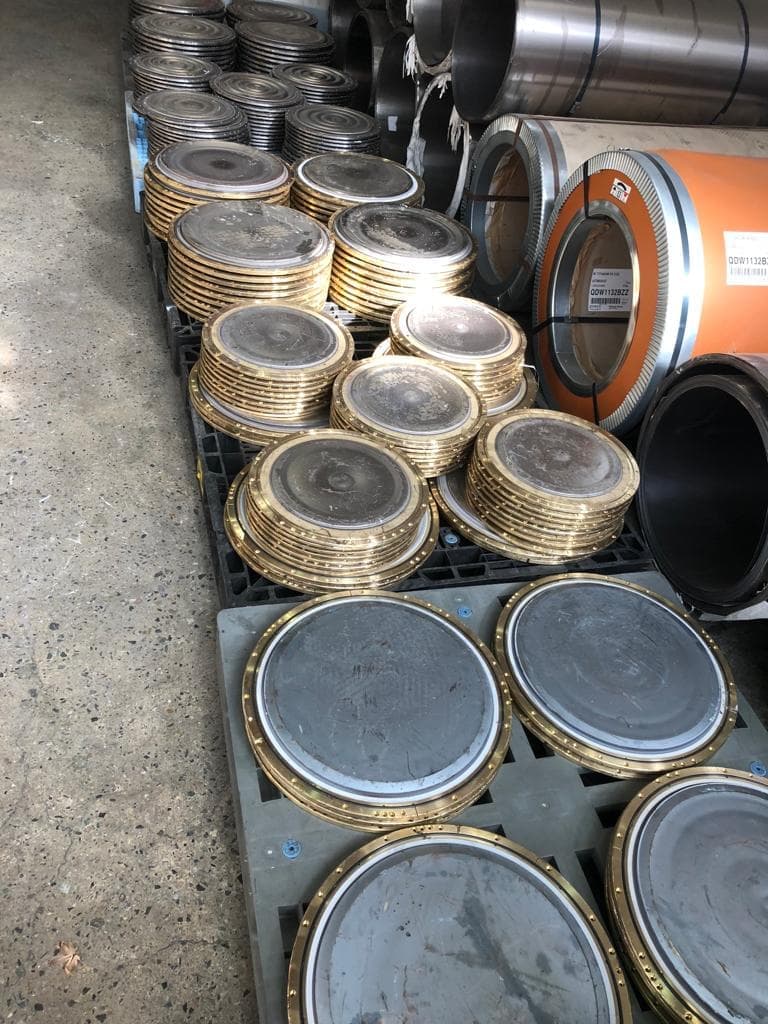
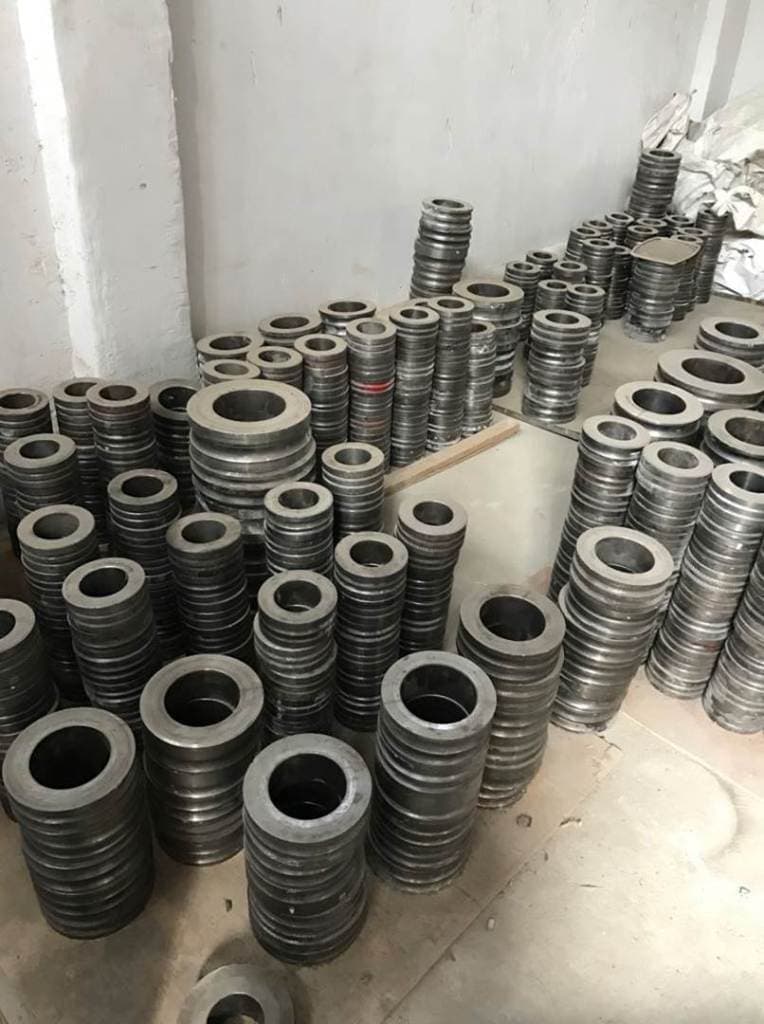
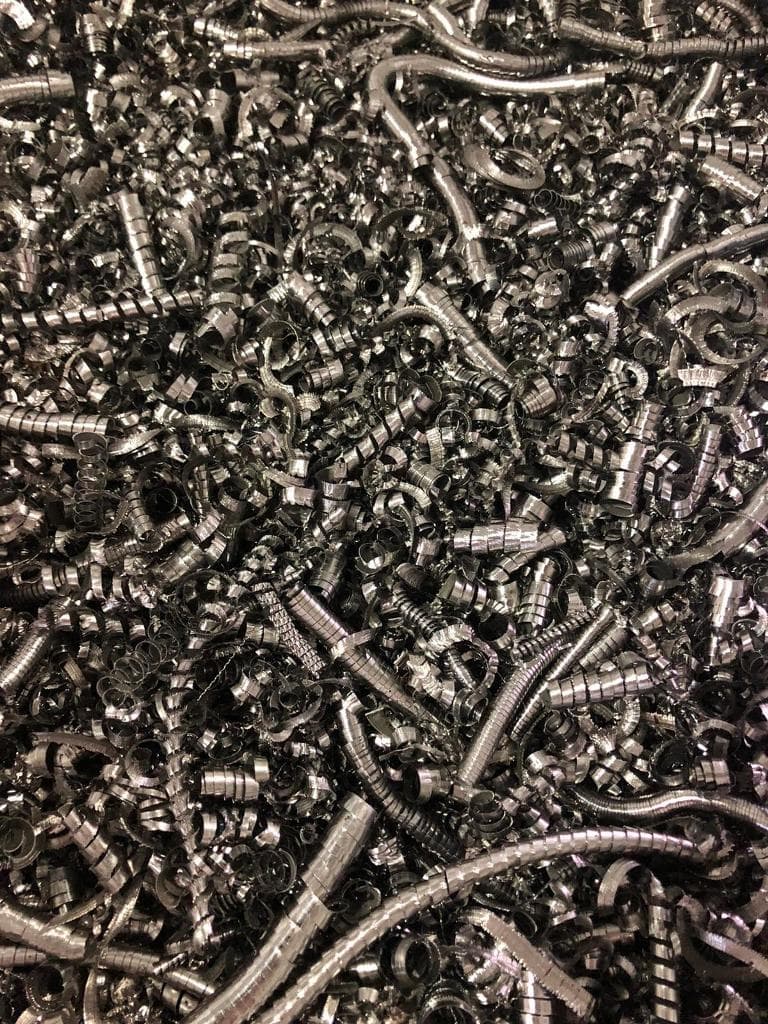
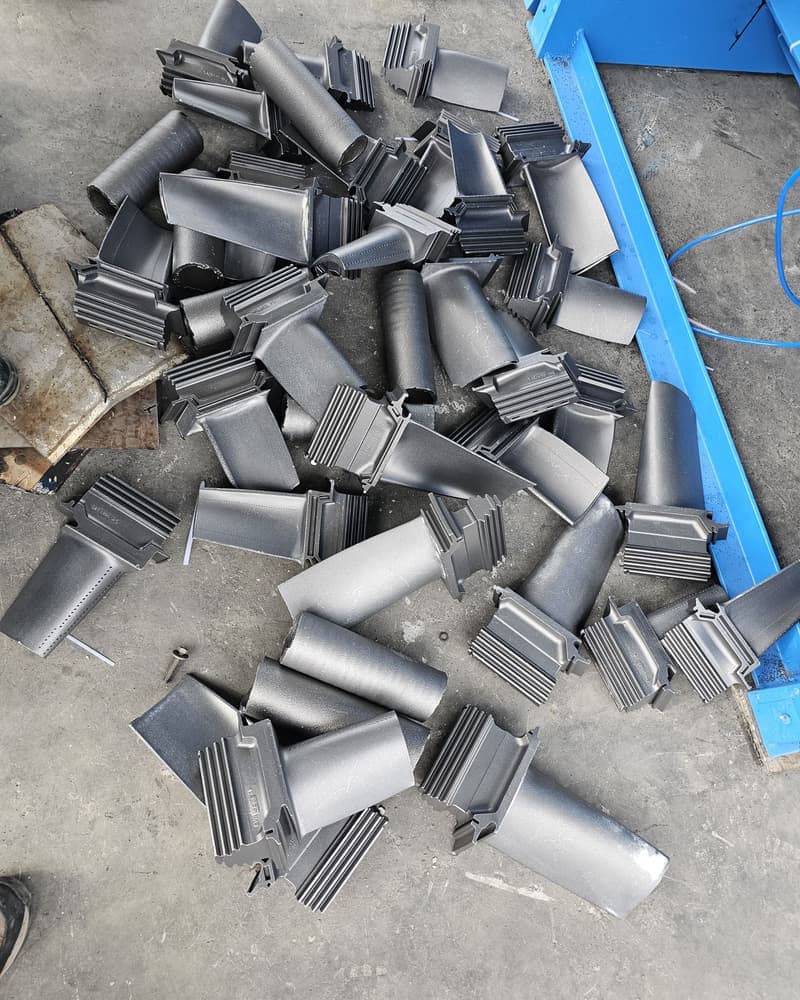
ABCOM trades and processes minor metal scrap and primary forms across tantalum, niobium and zirconium. Our technical knowledge of these materials ensures correct identification, handling and onward sale to appropriate downstream buyers. See our full product range for available forms.
End Markets
Industries & Applications
Aerospace
Niobium strengthens high-performance steel alloys used in airframes and engine components. Tantalum is used in high-temperature aerospace components requiring corrosion resistance and density.
Electronics and Semiconductors
Tantalum capacitors are essential components in smartphones, laptops and medical devices, chosen for their reliability and miniaturisation advantages over alternative capacitor technologies.
Chemical Processing
Tantalum and zirconium offer exceptional corrosion resistance to aggressive acids in reactors, heat exchangers and piping systems where stainless steel and nickel alloys are insufficient.
Nuclear Energy
Zirconium alloys are the standard cladding material for nuclear fuel rods due to their uniquely low neutron absorption cross-section and corrosion resistance in high-temperature reactor coolant.
Medical Devices
Tantalum biocompatibility makes it suitable for surgical implants, bone repair plates and radiopaque markers where long-term tissue compatibility and visibility under imaging are required.
Superalloy Production
Niobium is a critical alloying addition in nickel superalloys and high-strength low-alloy steels used in oil and gas pipelines, improving strength without increasing weight or cost significantly.
Material Categories
Metals We Supply
CP Tantalum (Commercially Pure Tantalum)
One of the most corrosion-resistant metals known, tantalum resists attack from virtually all acids at room temperature. Used in chemical processing equipment, capacitor production, surgical implants and high-temperature aerospace components. CP tantalum scrap from chemical plant decommissioning and electronics recycling is a primary focus for ABCOM.
Niobium (Columbium)
A soft refractory metal used as a strengthening addition in high-strength steels, nickel superalloys and as a standalone material in superconducting applications. Small niobium additions dramatically increase the yield strength of structural steels used in pipelines, bridges and automotive frames. Niobium scrap from superalloy and steel production is recovered and traded globally.
Zirconium
A corrosion-resistant refractory metal with a uniquely low neutron absorption cross-section, making it indispensable in nuclear reactor fuel rod cladding. Zirconium is also used in chemical processing equipment handling aggressive acids and in specialty alloy production. Its combination of corrosion resistance and nuclear properties makes it irreplaceable in reactor applications.
Others
ABCOM handles additional minor metal grades and forms on inquiry, including specialty refractory metals and associated scrap streams from industrial decommissioning. Contact our team with details of the material, form, and quantity available.
Our Capabilities
Processing & Trading
ABCOM sources and trades minor metal scrap and primary forms from aerospace, electronics, chemical and nuclear decommissioning operations globally. These streams include tantalum scrap from chemical plant shutdowns and electronics recycling, zirconium from nuclear industry sources, and niobium from superalloy and specialty steel production.
Minor metals command high per-kilogram values, making even small quantities commercially significant. Strict segregation is required at all stages: tantalum, niobium and zirconium must never be mixed, as cross-contamination destroys material value and renders the mixed stream unsuitable for downstream processing. Our global sourcing network spans Asia, Europe and the Americas, providing consistent access to material across market conditions.
All material is documented and traceable from origin through to dispatch, supporting the compliance requirements of electronics manufacturers, chemical operators and nuclear industry buyers receiving the material. Learn more about our operations on the about page.
Trading Capabilities
- Material identification and grade verification
- Strict segregation: tantalum, niobium and zirconium kept separate
- Sourcing from aerospace, electronics, chemical and nuclear decommissioning
- Global procurement network across Asia, Europe and the Americas
- Quality control and lot documentation
- Export preparation and international logistics coordination
- Competitive pricing based on real-time minor metals market conditions
Trading Network
Global Supply from Singapore
Singapore's position as a global trading hub gives ABCOM direct access to minor metal flows across Asia-Pacific, the Middle East, Europe, and North America. Our operational network allows us to source tantalum, niobium and zirconium from decommissioning and production sources globally and move material efficiently to downstream buyers.
Export markets for our minor metals material include electronics manufacturers, chemical plant operators, nuclear industry suppliers and superalloy producers across Europe, the Americas and Asia. Buyers receive correctly identified, segregated material with competitive pricing and reliable documentation. We also supply complementary tungsten alloys for buyers requiring refractory and high-density metals alongside minor metals.
For sourcing inquiries, logistics discussions, or pricing on specific minor metal grades, contact our Singapore office directly via the contact page.
Why Choose ABCOM
Specialist Expertise, Global Reach
25+ Years Experience
Established in Singapore in 2000, ABCOM has operated through multiple commodity cycles with consistent focus on specialty and strategic metals.
International Operations
Offices in Singapore and Turkey, with active trading relationships across Europe, Asia, and the Americas.
Alloy Expertise
Deep technical knowledge of tantalum, niobium, zirconium and related refractory metals, from material identification through to final sale.
Sustainable Recycling
Recovering tantalum, niobium and zirconium from industrial scrap reduces reliance on primary mining for strategically critical materials.
Common Questions
Frequently Asked Questions
What are minor metals used for?
Minor metals are used as critical inputs in advanced manufacturing, electronics, aerospace, energy, and medical industries. Tantalum is essential in capacitors, chemical plant equipment, and surgical implants. Niobium strengthens steel alloys and superalloys. Zirconium is the standard material for nuclear fuel rod cladding and is also used in chemical processing equipment resistant to aggressive acids.
What is tantalum used for?
Tantalum is used primarily in tantalum capacitors found in smartphones, laptops, and medical devices, where its reliability and ability to hold charge in miniaturised components is unmatched. It is also used in chemical processing equipment due to its exceptional resistance to virtually all acids, in high-temperature aerospace components, and in surgical implants and bone repair plates due to its biocompatibility.
Why is niobium valuable?
Niobium is a critical alloying element in high-strength low-alloy steels, where small additions significantly increase yield strength without adding weight. This makes it essential in pipeline steels, automotive structural components, and shipbuilding. Niobium is also a key addition in nickel superalloys used in gas turbine engines, and is used in superconducting applications in particle accelerators and MRI machines.
What makes zirconium important in nuclear applications?
Zirconium has an exceptionally low neutron absorption cross-section, meaning it does not significantly slow or absorb the neutrons required to sustain a nuclear chain reaction. This property, combined with excellent corrosion resistance in high-temperature water environments, makes zirconium alloys the standard material for nuclear fuel rod cladding in both commercial and research reactors worldwide.
How are minor metals different from base metals?
Base metals such as steel, aluminium, copper and zinc are produced in large volumes and traded on major commodity exchanges. Minor metals are produced in far smaller quantities, often as byproducts of base metal refining, and are not traded on major exchanges. Their supply is concentrated geographically, pricing is negotiated between buyers and sellers, and their strategic importance is disproportionate to their production volume.
Source or Sell Minor Metals
Contact ABCOM for pricing, logistics, or technical discussions on tantalum, niobium and zirconium. We work with buyers and sellers across 30+ countries.