Key Takeaways
- Tungsten heavy alloy scrap carries high recycling value due to tungsten's density, high melting point and concentrated primary supply.
- Hevimet and Mallory grades (W-Ni-Fe or W-Ni-Cu) must be correctly identified and kept separate from tungsten carbide, which is graded and priced entirely differently.
- Density verification and contamination checks are central to grading, alongside confirming the exact alloy family.
- Aerospace counterweights, defence shielding, industrial ballast components and decommissioned tooling are the main sources of recoverable scrap.
- Correct grading, clean separation and pre-shipment documentation materially improve the price a seller can achieve.
Tungsten & Hevimet Scrap Grading Guide
Tungsten alloy scrap commands some of the highest per-kilogram recycling values in the metals trade, driven by a combination of extreme density and a primary supply chain that is slow, energy-intensive and geographically concentrated. Sellers who encounter tungsten heavy alloys like Hevimet for the first time often underestimate what the material is worth, in part because it looks unremarkable compared to more familiar metals. Understanding how tungsten scrap is actually graded, and how it differs from the tungsten carbide scrap many sellers confuse it with, is the difference between a fair price and an unnecessary discount.
Why Tungsten Alloy Scrap Is Valuable
Tungsten has the highest melting point of any metal used in engineering applications, at just above 3,400°C, and one of the highest densities of any structural material, roughly 1.7 times denser than lead. Both properties make tungsten difficult and expensive to produce from ore, and both are exactly why recovered tungsten scrap is worth pursuing rather than discarding.
Primary tungsten production starts from scheelite or wolframite concentrate, which is chemically processed into ammonium paratungstate and then reduced to tungsten metal powder through a multi-stage process. This is slow, energy-intensive, and primary reserves and processing capacity are concentrated in a small number of countries, which leaves the supply chain exposed to bottlenecks. Recycled tungsten scrap bypasses this entire chain, recovering a strategically important metal without the mining, chemical processing or energy cost of primary extraction.
That cost gap is what makes tungsten heavy alloy scrap commercially attractive at almost any volume, provided it is correctly identified and free of the contamination or mixing that would force a buyer to discount it.
What Is Hevimet?
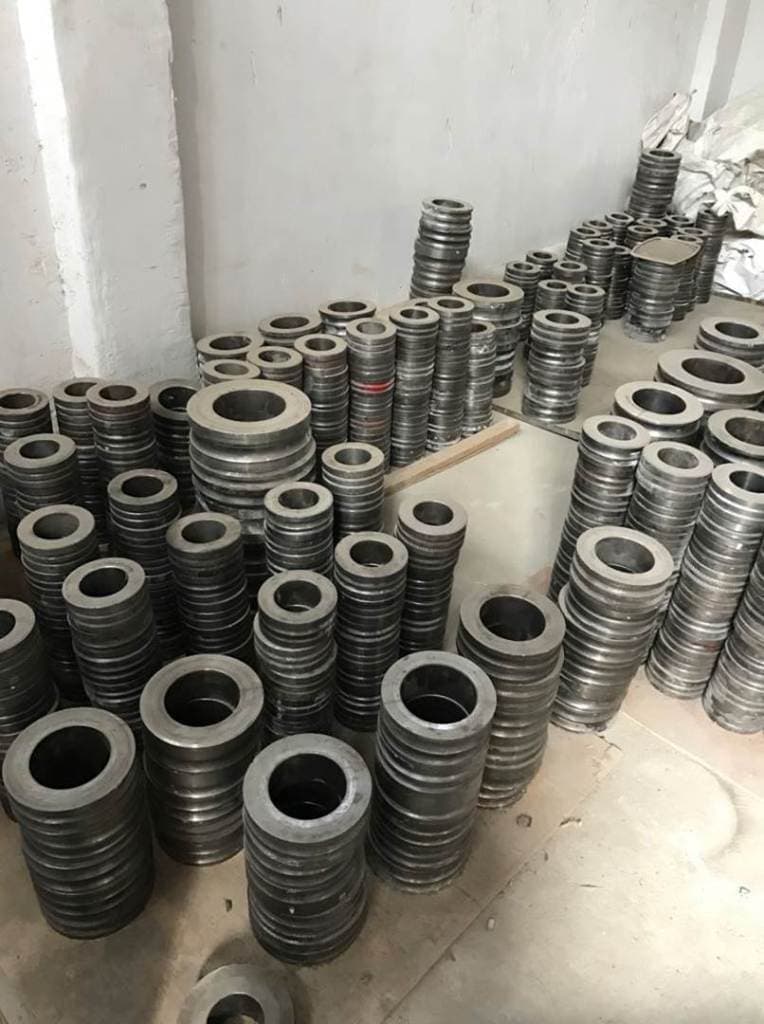
Hevimet is a trade name for a family of tungsten heavy alloys, typically composed of 90 to 97 percent tungsten with the balance made up of nickel and iron (W-Ni-Fe) or nickel and copper (W-Ni-Cu). The tungsten provides the density and hardness, while the nickel-iron or nickel-copper matrix binds the tungsten particles together and allows the alloy to be machined, unlike pure tungsten metal, which is difficult to work with directly.
This combination of near-tungsten density with practical machinability is why Hevimet and related grades such as Mallory and Supertherm are used wherever mass needs to be concentrated into a small volume. Common applications include aerospace and industrial counterweights, radiation shielding in medical and defence equipment, and ballast or vibration dampening components in precision machinery. In each case, the alloy is chosen specifically because it packs more mass into less space than almost any alternative material, which is also why the scrap retains strong value once its working life ends.
How Tungsten Scrap Is Graded
Grading tungsten heavy alloy scrap follows a logical sequence, starting with alloy identification and moving through physical verification before a price can be quoted.
Separating by alloy family comes first. Hevimet, Mallory and Supertherm grades differ in their exact tungsten content and binder composition, which affects density, hardness and downstream processing value. Buyers rely on supplier records, spark testing or XRF analysis to confirm which family a given lot belongs to, and material without clear identification is typically graded conservatively until composition is verified.
Density verification is the next step, and it is unusually important for tungsten heavy alloys because density is a direct, quick proxy for tungsten content. A simple weight-and-volume check, or a more precise displacement test, tells a buyer roughly how much tungsten a lot actually contains before any chemical analysis is needed. This makes density testing one of the fastest ways to catch mislabeled or diluted material.
Contamination checks follow density confirmation. Tungsten heavy alloy scrap that has been machined, ground or stored alongside other metals can pick up surface contamination that affects reprocessing yield, and buyers inspect for this before finalizing a grade.
A distinction worth clarifying, because it causes genuine confusion among sellers, is the difference between tungsten heavy alloy and tungsten carbide. Both are dense, tungsten-based materials, but they are entirely different products. Tungsten carbide (WC) is a hard ceramic-metal compound used in cutting tools, drill bits and wear parts, bonded typically with cobalt, and it is graded and priced on a completely separate market from tungsten heavy alloys like Hevimet. Mixing the two in a single lot, or presenting one as the other, leads to rejected material or a heavily discounted price, so sellers should confirm which category their scrap falls into before approaching a buyer.
What Affects Tungsten Scrap Pricing
Several factors move tungsten scrap pricing independently of each other, and understanding them helps a seller anticipate what a buyer's quote is actually based on.
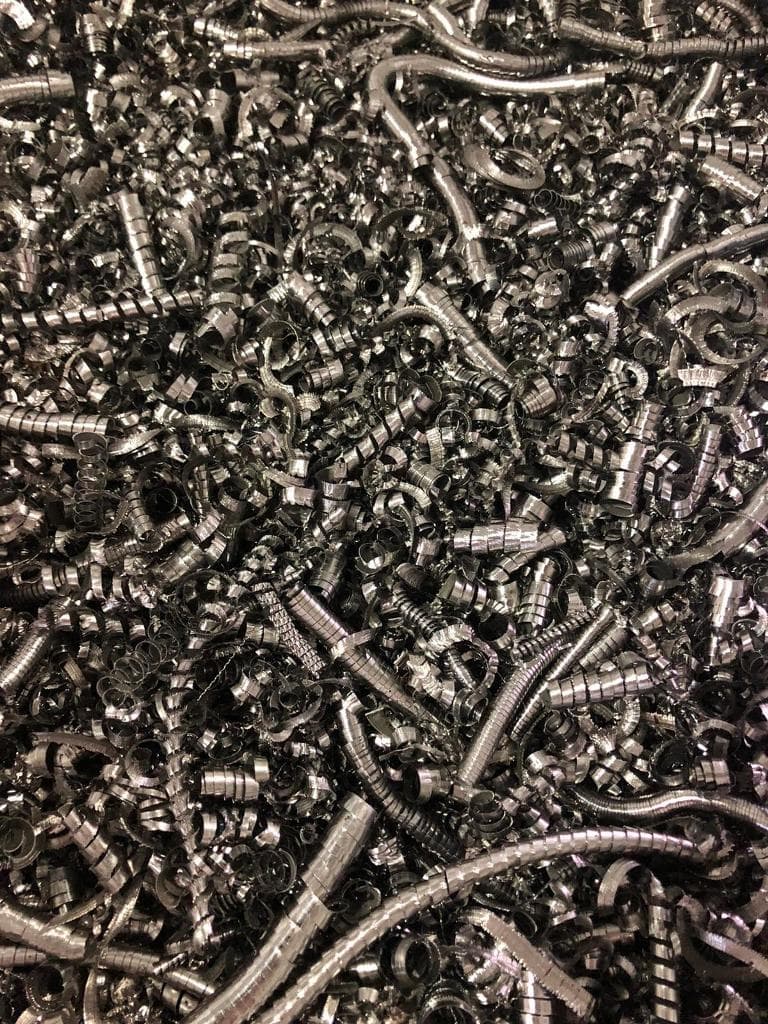
Composition purity is the primary driver. A lot with confirmed, single-grade Hevimet or Mallory composition prices well above unidentified or mixed material, since the buyer can plan reprocessing with confidence rather than budgeting for additional testing. Form factor plays a secondary role: solid counterweights, ballast blocks and machined components in good condition are generally easier to grade and process than fragmented or heavily machined turnings.
Contamination acts as a direct discount factor, reducing the effective recoverable tungsten content a buyer can plan around. Volume also matters, since larger, consistent lots reduce the per-transaction cost of testing and handling relative to the material recovered, making them more attractive on a per-kilogram basis than small, mixed parcels.
Finally, broader market conditions, shaped by primary tungsten supply concentration, defence and aerospace demand, and global tungsten concentrate pricing, set the range within which the factors above operate. A well-graded, well-documented lot is positioned to capture the best terms available within that range at any given time.
Common Sources of Tungsten Scrap
Tungsten heavy alloy scrap tends to originate from a fairly consistent set of generators, each producing recognizable material types.
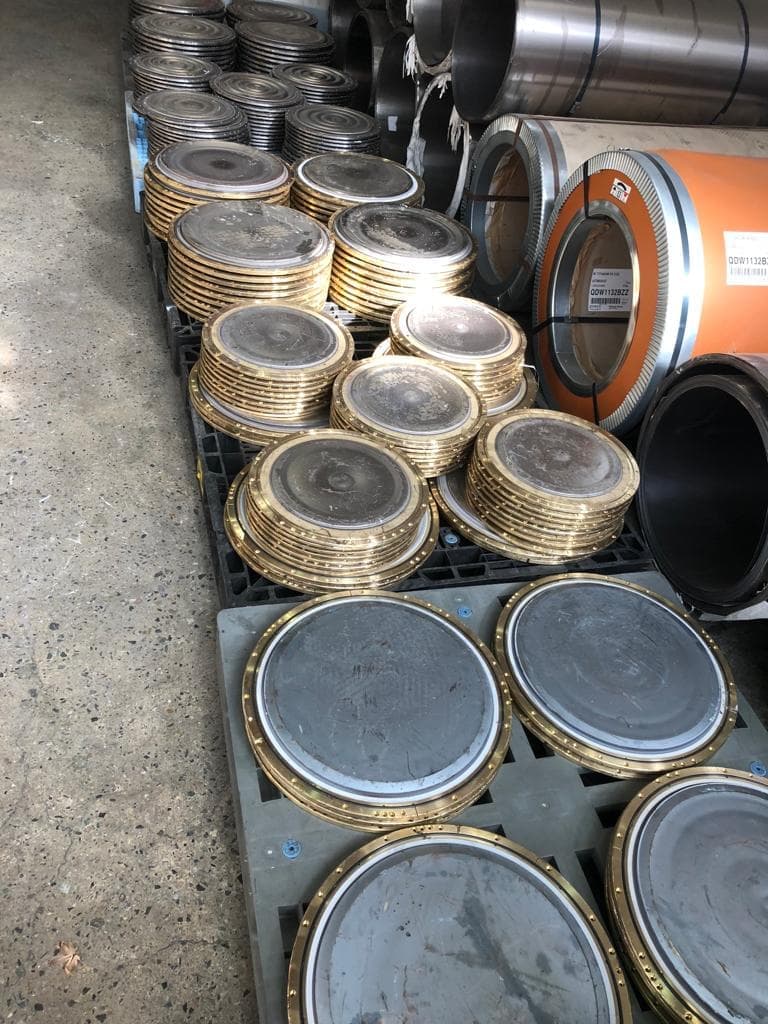
Aerospace counterweights and balancing components are a major source, since aircraft control surfaces and rotating assemblies often use tungsten heavy alloy weights precisely because of their density-to-volume advantage over steel or lead alternatives.
Defence and radiation shielding equipment contributes scrap from decommissioned or upgraded systems, where tungsten heavy alloys are used for their shielding properties in place of depleted uranium in many modern applications.
Industrial ballast and vibration dampening components generate scrap as machinery is retired or upgraded, particularly in precision equipment where tungsten heavy alloy inserts are used to manage vibration or center of mass.
Decommissioned machining tooling rounds out the common sources, covering worn or retired tooling components made from tungsten heavy alloys rather than tungsten carbide, which requires careful sorting at the point of collection to avoid mixing the two material types.
How to Prepare Tungsten Scrap for Sale
Preparation is largely about discipline and correct sorting rather than specialized equipment, and it has a direct effect on the price a lot achieves.
Keep grades separated from the point of generation. Hevimet, Mallory and Supertherm material should go into clearly labeled, separate containers rather than a single mixed bin, since re-sorting mixed tungsten heavy alloy scrap after the fact is slow and rarely fully accurate.
Avoid mixing with tungsten carbide at all costs. Because both materials are dense and tungsten-based, they are easy to mistake for one another visually, but they are graded on entirely different markets. Confirm which category a given piece belongs to before it goes into any storage bin, and keep the two streams physically apart.
Document origin where possible. Purchase records, equipment specifications or internal notes identifying the original application (counterweight, shielding component, ballast) help a buyer confirm alloy family quickly, which speeds up grading and generally supports a better price.
Request grading before shipment. Working with a buyer who can confirm alloy family and density ahead of time avoids disputes on arrival and gives the seller a clear, verifiable basis for the price being quoted.
Working With ABCOM on Tungsten Scrap
ABCOM processes and trades tungsten heavy alloy scrap from its Singapore base, working with generators and buyers across Asia, the Middle East, Europe and the Americas. Our grading approach follows the same principles outlined above: confirming alloy family before acceptance, verifying density and composition, and keeping tungsten heavy alloy scrap strictly separated from tungsten carbide streams throughout handling. For sellers unsure which grade they are holding, our team can assist with identification and grading as part of the transaction.
Sellers with Hevimet, Mallory or other tungsten heavy alloy scrap can review our full tungsten alloys processing and supply capabilities for more detail on the grades we handle and the markets we supply into.
Frequently Asked Questions
What is Hevimet and what is it used for?
Hevimet is a trade name for a family of tungsten heavy alloys, typically 90 to 97 percent tungsten with a nickel-iron or nickel-copper binder. Its combination of high density and machinability makes it common in counterweights, radiation shielding and ballast or vibration dampening components across aerospace, defence and industrial equipment.
What is the difference between tungsten heavy alloy scrap and tungsten carbide scrap?
Tungsten heavy alloy (Hevimet, Mallory and similar grades) is a metallic alloy of tungsten with nickel and iron or copper, used where density is the primary requirement. Tungsten carbide is a hard ceramic-metal compound of tungsten and carbon, typically bonded with cobalt, used in cutting tools and wear parts. The two are graded and priced on entirely separate markets, and mixing them in a single lot leads to rejected material or a heavily discounted price.
Why is tungsten alloy scrap so valuable?
Tungsten has the highest melting point of any engineering metal and one of the highest densities of any structural material, and primary production is slow, energy-intensive and concentrated in a small number of countries. Recycled tungsten heavy alloy scrap bypasses that entire production chain, which is why correctly graded scrap commands strong pricing.
What industries generate the most tungsten scrap?
Aerospace manufacturing generates counterweight and balancing scrap, defence and medical equipment generate shielding component scrap, industrial machinery generates ballast and vibration dampening scrap, and machining operations generate scrap from decommissioned tooling. All four are regular, recurring sources of tungsten heavy alloy material.
Does ABCOM buy tungsten scrap from suppliers in the Middle East and Asia?
Yes. ABCOM sources and processes tungsten heavy alloy scrap through a global buyer and supplier network spanning Asia, the Middle East, Europe and the Americas, in addition to our Singapore-based operations.
Tungsten heavy alloy scrap that is correctly graded, kept separate from tungsten carbide, and properly documented consistently achieves better terms than mixed or unidentified lots. If you have Hevimet, Mallory or other tungsten alloy scrap to sell, get in touch with ABCOM for a quote and to discuss grading, logistics and current market terms.