Key Takeaways
- Titanium scrap value depends primarily on alloy purity and grade separation, not just weight.
- CP titanium and Ti 6-4 must never be mixed, since cross-contamination destroys the value of both.
- Form factor (turnings, solids, sheet offcuts) and contamination level affect price alongside composition.
- Aerospace machining, medical device manufacturing and structural fabrication are the main sources of recyclable titanium scrap.
- Proper documentation and pre-shipment grading materially improve the price a seller can achieve.
Titanium Scrap Grading Guide for Sellers
Titanium scrap carries some of the highest recycling value of any structural metal, a fact that surprises sellers used to trading steel or aluminum offcuts. The reason comes down to production economics: titanium is extracted and refined through a slow, energy-intensive process, so every kilogram of clean scrap re-entering the supply chain offsets an expensive primary production step. Aerospace manufacturers machining structural components and engine parts, medical device producers cutting implants and surgical instruments, and industrial fabricators working with process equipment and marine hardware all generate significant volumes of titanium scrap as a routine byproduct of their operations. Understanding how that scrap gets graded, and what buyers actually pay for, is the difference between selling at a discount and capturing its real value.
Why Titanium Scrap Is Valuable
Titanium does not come out of the ground as a usable metal. Producing primary titanium sponge requires the Kroll process, a multi-step reduction of titanium tetrachloride using magnesium, carried out in a vacuum or inert atmosphere over many hours. The process is slow, capital-intensive and difficult to scale quickly, which keeps primary titanium production expensive relative to metals like steel, aluminum or copper.
That cost structure is exactly why titanium scrap commands strong pricing when it is clean and correctly graded. A buyer melting or reprocessing titanium scrap avoids the Kroll step entirely, recovering most of the alloy's value at a fraction of primary production cost. This applies most directly to the two grades that dominate the scrap market: commercially pure (CP) titanium, valued for corrosion resistance and used widely in chemical processing and medical equipment, and Ti 6-4 (Ti-6Al-4V), the workhorse aerospace alloy that accounts for most titanium scrap generated by machining operations.
The gap between primary production cost and scrap reprocessing cost is what makes titanium recycling commercially viable at scale, and it is why buyers pay a meaningful premium for scrap that arrives correctly sorted, documented and free of contamination.
How Titanium Scrap Is Graded
Grading titanium scrap is a compositional exercise first and a physical one second. Buyers need to know exactly what alloy they are looking at before quoting a price, and the grading process reflects that priority.
Separating by alloy composition comes first. CP titanium, Ti 6-4 and Ti 8-1-1 have different aluminum, vanadium and molybdenum content, and mixing them destroys the value of all three. A processor cannot simply melt a mixed lot and hope for an average composition; the resulting ingot fails any specification and has to be downgraded or scrapped. Experienced traders use spark testing, XRF analysis or mill certification records to confirm alloy identity, and material without traceable documentation is typically graded down until composition can be verified.
Contamination checks follow alloy identification. Titanium is unusually sensitive to iron, oxygen and nitrogen pickup, all of which degrade mechanical properties in the finished product. Scrap that has been in contact with steel grinding media, unknown cutting fluid additives, or mixed storage with other metals gets flagged and often requires additional cleaning or downgrading.
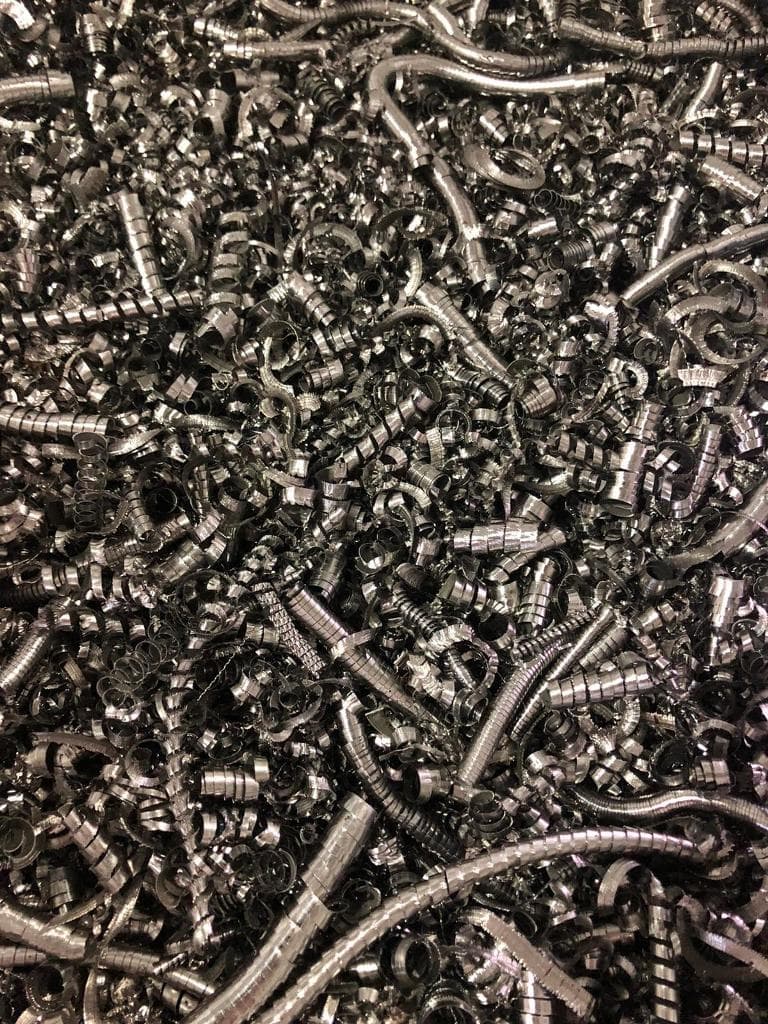
Form factor is graded separately from composition. Turnings and swarf from CNC machining carry oil and coolant residue and a high surface-area-to-volume ratio that increases oxidation risk. Solids and sheet offcuts are easier to handle, verify and process, and generally attract better terms than loose turnings of the same alloy.
The rule that governs all of this is simple and non-negotiable: grades must never be mixed. Once CP titanium turnings are combined with Ti 6-4 solids in the same bin, the lot can no longer be sold at either grade's price, and re-sorting mixed titanium scrap by hand is slow, costly and rarely fully accurate.
What Affects Titanium Scrap Pricing
Titanium scrap pricing is not a single number; it moves against several factors at once, and understanding them helps sellers anticipate what a buyer will offer before material ever ships.
Composition purity sits at the top of the list. Clean, single-grade lots with verifiable alloy content price well above mixed or unidentified material, since the buyer can plan downstream use with confidence. Form factor matters almost as much: solids and offcuts requiring minimal processing are generally preferred over turnings and swarf, which need degreasing, drying and closer inspection before melting or reprocessing.
Contamination level works as a direct discount factor. Any presence of non-titanium metals, cutting fluid residue or surface oxidation reduces the effective yield a buyer can recover. Volume plays a role too: larger, consistent lots are more attractive to processors because they reduce per-transaction handling and testing cost relative to the material recovered.
Finally, broader market conditions, driven by aerospace production rates, primary titanium sponge supply and overall demand from the medical and industrial sectors, set the baseline the above factors move around. A seller with a well-graded, well-documented lot is positioned to capture the best available terms within whatever the market is doing at the time.
Common Sources of Titanium Scrap
Most titanium scrap entering the market traces back to a small number of generator types, each with distinct characteristics.
Aerospace machining operations are the largest source by volume. CNC machining of structural components, engine parts and fasteners from Ti 6-4 and Ti 8-1-1 billet generates substantial turnings and solid offcuts, since aerospace parts are frequently machined from solid stock down to a much lighter finished shape.
Medical device manufacturing produces smaller volumes but often higher-purity material. CP titanium and Ti 6-4 are standard for implants, surgical instruments and prosthetic components, and manufacturers here tend to keep tight control over material traceability, which makes their scrap attractive to buyers seeking well-documented lots.
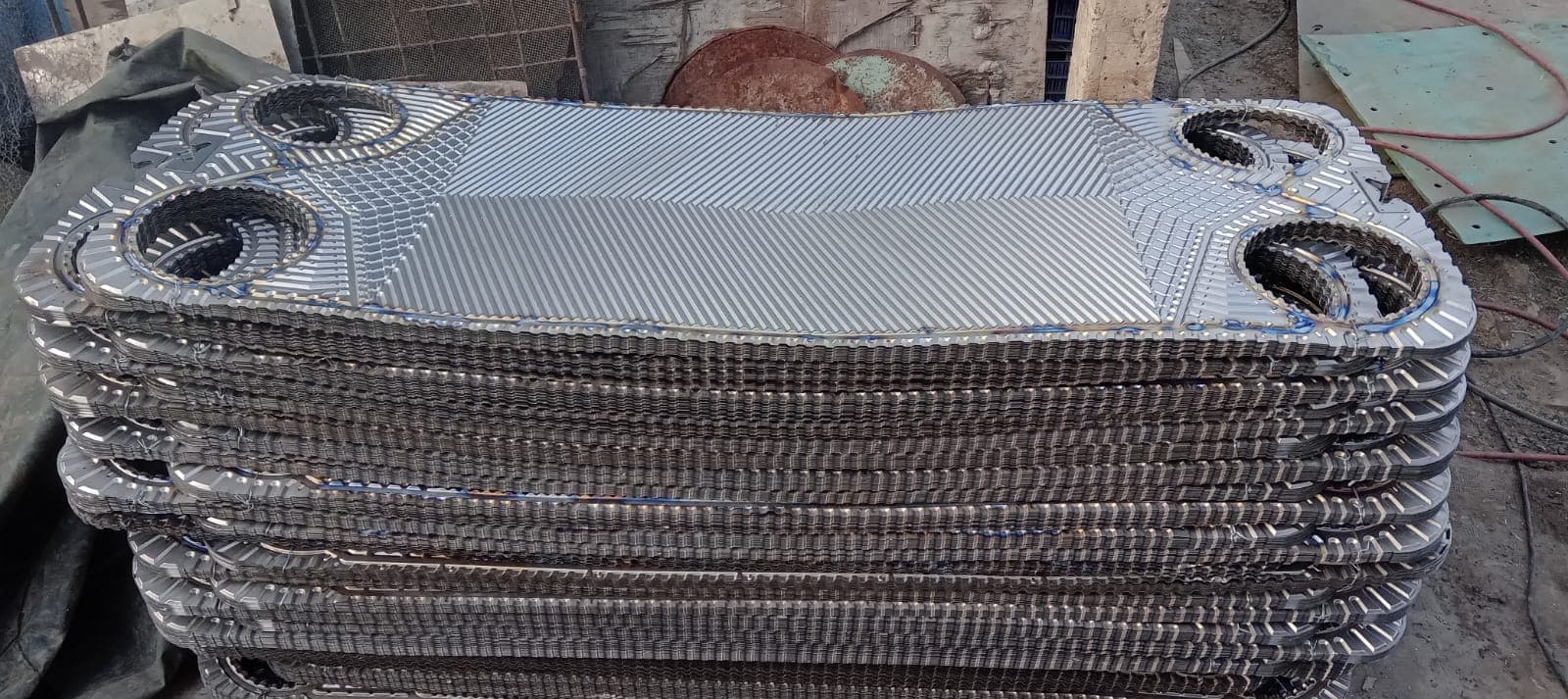
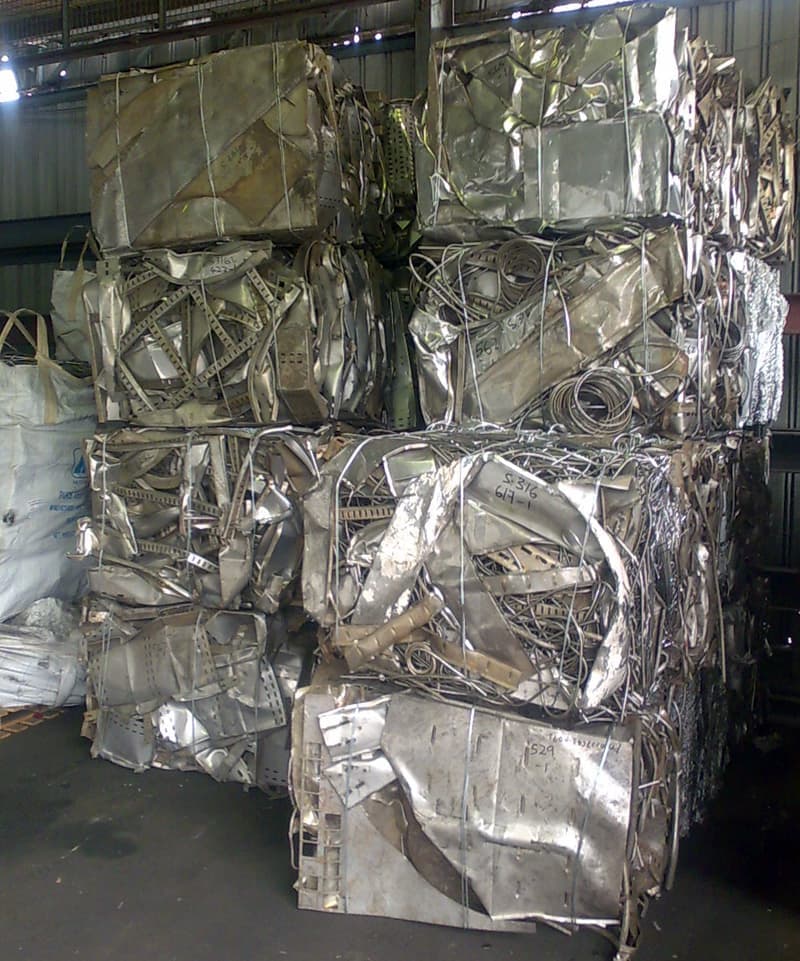
Structural fabrication offcuts come from cutting, forming and welding titanium sheet and plate for marine, chemical processing and industrial applications, arriving as sheet trim and plate cutoffs rather than turnings, which is usually easier to grade visually.
Decommissioned components round out the common sources, covering retired aerospace parts, replaced chemical processing equipment and end-of-life industrial hardware. This category needs the most careful grading, since alloy history and prior service conditions are not always documented, and contamination risk tends to be higher than for fresh machining scrap.
How to Prepare Titanium Scrap for Sale
Preparation determines how much of a lot's true value a seller actually captures, and most of it comes down to discipline rather than equipment.
Keep grades physically separated from the moment scrap is generated. Separate bins for CP titanium, Ti 6-4 and any other grade in use prevent accidental mixing at the source, far cheaper than sorting mixed material later. Label bins clearly and train operators to treat grade separation as standard, not an afterthought handled at the end of a run.
Avoid contamination with other metals from the outset. Store titanium scrap away from steel, aluminum and other metal scrap streams, and avoid shared grinding or cutting equipment without cleaning between materials where cross-contamination risk exists. Even small amounts of iron contamination can be enough to drop a lot's grade.
Document material origin wherever possible. Mill certificates, purchase orders for the original titanium stock, or internal work orders that reference the alloy specification all help a buyer verify composition quickly, which usually translates into faster processing and better pricing. Lots that arrive with no supporting documentation are treated more cautiously and graded accordingly.
Request grading before shipment rather than after. Working with a buyer who can confirm alloy identity and assess contamination and form factor ahead of time avoids disputes on arrival and gives the seller a clear basis for the price being offered.
Working With ABCOM on Titanium Scrap
ABCOM processes and trades titanium scrap and primary forms from its Singapore base, working with generators and buyers across aerospace, medical and industrial supply chains in more than 30 countries. Our grading process follows the same principles outlined above: alloy verification before acceptance, strict segregation by grade, and documentation carried through to final sale. For sellers with mixed or undocumented lots, our team can assist with grading and identification as part of the transaction.
Sellers working with CP titanium, Ti 6-4 or other specification grades can review our full titanium alloys processing and supply capabilities for more detail on the grades we handle and the markets we supply into.
Frequently Asked Questions
What is the difference between CP titanium and Ti 6-4 scrap?
CP titanium is unalloyed titanium valued for corrosion resistance and formability, commonly found in chemical processing and medical scrap streams. Ti 6-4 (Ti-6Al-4V) is alloyed with aluminum and vanadium for higher strength and is the dominant grade in aerospace scrap. The two differ in density, mechanical properties and melt characteristics, so they are graded and priced separately.
Why can't different titanium grades be mixed?
Each grade has a specific alloy composition that downstream buyers rely on to meet material specifications. Mixing grades changes the resulting composition unpredictably, so a melted mixed lot cannot be certified to any single specification and typically has to be downgraded or scrapped entirely.
What documentation is needed to sell titanium scrap?
Mill certificates, purchase records for the original titanium stock, or internal work orders referencing the alloy specification help buyers verify composition quickly. Documentation is not mandatory, but lots without it are generally graded more cautiously and may require additional testing.
How is titanium scrap different from titanium dioxide recycling?
Titanium scrap refers to metallic titanium and its alloys, such as CP titanium and Ti 6-4, recovered from machining, fabrication and decommissioned components for reuse as metal. Titanium dioxide (TiO2) is a mineral compound used mainly as a pigment and in coatings, and its recycling involves entirely different processes with no relation to metallic titanium scrap trading.
Does ABCOM buy small quantities of titanium scrap?
Yes. ABCOM works with sellers across a range of volumes, from small, well-documented lots from medical device or specialty fabrication work, to larger consolidated volumes from aerospace machining. Contact our team with details on grade, form factor and approximate volume for a specific quote.
Titanium scrap that is correctly graded, documented and free of contamination consistently commands better terms than mixed or undocumented lots. If you have CP titanium, Ti 6-4 or other titanium alloy scrap to sell, get in touch with ABCOM for a quote and to discuss grading, logistics and current market terms.